Flash Flood Cleanup in Hesperia, CA
Monsoon thunderstorms can bring local flash floods, and in December 2025 muddy water ran along Bear Valley Road at Cottonwood Avenue. When it reaches a home, the cleanup crew clears the water and the silt.
(888) 774-9605Get flood water cleared out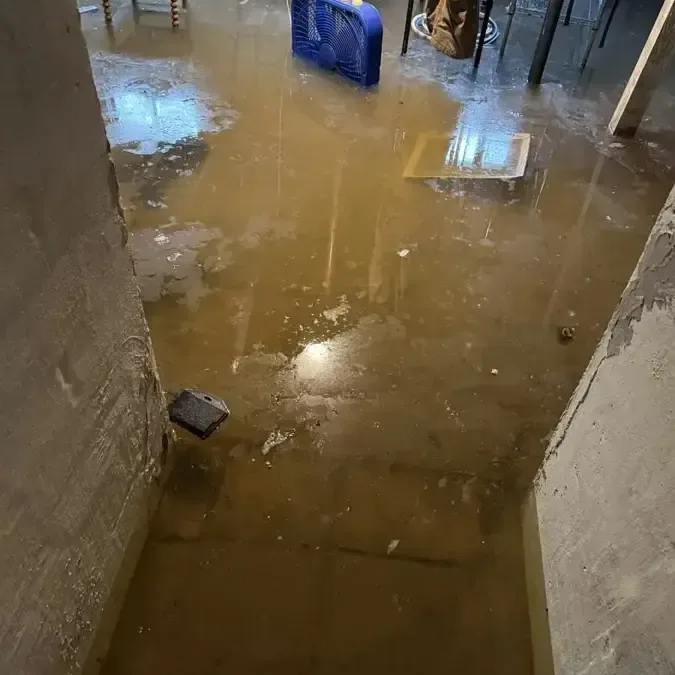
What a proper flash flood cleanup job includes
Dispatch at any hour
Active water is treated as urgent around the clock, weekends and holidays included, because every hour it sits adds to the tear-out.
Dried to IICRC S500
Equipment is sized to the class of loss and stays until readings sit within 2 to 4 points of a dry reference.
A claim file from day one
Moisture maps, daily psychrometric logs and timestamped photos before demolition go straight into the file.
Desert construction know-how
Slab floors, stucco walls, tile roofs and attic plumbing each hide water differently, and the walkthrough checks every one.
What to do about flash flood cleanup right now
These moves are safe for most households and keep the damage from growing before the crew gets there.
Stay out of the water
Flood water can hide debris and live power.
Switch off the power
Turn off breakers for the affected areas.
Photograph the damage
Capture water marks, mud and damaged belongings.
Call for pumping
Extraction and cleanup start on the wet floors.
What does flash flood cleanup cost in Hesperia, CA?
Flash flood cleanup costs more than a clean leak because of mud, silt and the extra cleaning and sanitizing. The final figure depends on how high the water rose and how many rooms and materials it reached, so readings set the scope.
Garage or one room
- Muddy water pumped out
- Silt cleared away
- Drying equipment set
Several rooms
- Extraction by room
- Low drywall removed
- Cleaning and sanitizing
Whole ground floor
- Heavy pumping and mud removal
- Wide demolition
- Extended drying
What goes into the claim file
The file holds a moisture map, daily psychrometric logs, timestamped photos taken before demolition, the water category and class of loss and a line-item scope. Sudden and accidental water is often treated differently from slow leaks and outside flood water, so check your own policy; the California Department of Insurance explains how to raise a claim question, and Ready.gov flood safety covers prevention. Ranges are typical, not a quote; the water damage cost calculator gives a closer number.
How the flash flood cleanup job runs, step by step
Pump it out
Standing water is removed first.
Clear the silt
Mud and debris are cleared away.
Clean and treat
Surfaces are cleaned and sanitized.
Dry it down
Readings confirm the structure is dry.
Flash Flood Cleanup: causes, drying and the claim
Hesperia officially averages only 6.19 inches of precipitation a year, and the City says flooding is rare in the High Desert. When it does happen, flood waters can be swift, powerful and at times deadly, and the flash flood cleanup that follows is heavy, muddy work. Even a shallow flood can leave a home wet for a long time unless the water and mud come out.
Where the water comes from
Sporadic late summer monsoon thunderstorms can bring power outages and local flash floods. The Mojave River bed is usually dry, but it fills after a rare heavy rain, and in December 2025 muddy water ran along Bear Valley Road at Cottonwood Avenue during the Christmas week storms.
Preparing before the storm
- Sandbags are available at the City Hall front lobby, the Public Works Yard front office and Fire Stations 302, 304 and 305
- The City points residents to NOAA and FEMA for storm information
- Households can pick up 25 sandbags each
Sandbags help turn water away from a door, but they do not replace cleanup once water gets inside.
Desert storm runoff and silt treated as Category 3, removed and the structure dried.
(888) 774-9605Get flood water cleared outCleanup after flood water
Flood water carries mud, silt and debris, so the job is more than pumping. The cleanup crew removes standing water with pumps and extraction wands, then clears silt from floors, garages and baseboards. Garages often take the water first. Soaked padding and low drywall are taken out, surfaces are cleaned and sanitized, and structural drying finishes the job after moisture readings show what is still wet.
Why storm water needs more than drying
Storm water is not clean. It runs over streets, yards and driveways before it reaches a threshold, so it can leave bacteria and dirt behind. Porous materials it soaked are usually removed, while hard surfaces are cleaned and treated.
What the first visit covers
- Depth and spread of the water are checked
- Moisture readings map walls and floors
- Safe access and power are confirmed
Flash flood cleanup across Hesperia and nearby communities
One dispatch covers the streets listed here and the towns around them, at any hour.
The cleanup crew works across Hesperia after storms, from garages and ground floors on residential streets to shops and offices along Bear Valley Road, Main Street and Ranchero Road.
The same service nearby: flash flood cleanup in Adelanto, Victorville, Apple Valley.
Flash Flood Cleanup: questions homeowners ask
Still dealing with it?
Muddy water in the house after a storm? The cleanup crew can pump it out.
(888) 774-9605Request storm water cleanupIs flooding common in Hesperia?
The City says flooding is rare in the High Desert, but flood waters can be swift, powerful and at times deadly. A single monsoon storm or heavy winter rain can still cause local flooding.
Where can residents learn about approaching storms?
The City points residents to NOAA and FEMA for storm information. During any storm warning, avoid driving or walking through moving water and keep clear of flooded areas.
Is flood water safe to touch?
No. It can carry sewage, chemicals, bacteria and sharp debris, and standing water can hide live electrical hazards. Cleanup is done in protective gear after power to the area is off.
Can carpet and drywall be saved?
Carpet and padding that sat in flood water are usually removed. Drywall wet from the bottom up is cut back above the water mark, and meter readings decide what can stay and dry in place.
What happens to the mud?
Mud and silt are scooped, vacuumed and washed from floors, garages and baseboards. Leaving them behind traps moisture and odor, so the surfaces are cleaned before drying is judged finished.
Does a dry riverbed rule out flood damage?
No. The Mojave River bed is usually dry, but it fills after a rare heavy rain, and storm runoff elsewhere can still reach a home.
Flood water inside? Get the pumping and silt removal started.
Storm water brings mud, debris and bacteria along with the moisture. The crew pumps it out, clears the silt, cleans every surface the water touched and dries the structure to a dry reference.
(888) 774-9605Call about flood cleanup now