Water Damage Restoration in Victorville, CA
Victorville averages 79 days a year with lows of 32 degrees or lower, and winter is its wet season. When a pipe splits or rain gets inside, the restoration team extracts it and dries to IICRC S500.
(888) 774-9605Bring extraction gear to the wet roomsDry air outdoors does not reach water trapped in framing, so equipment stays until meters match a dry reference.
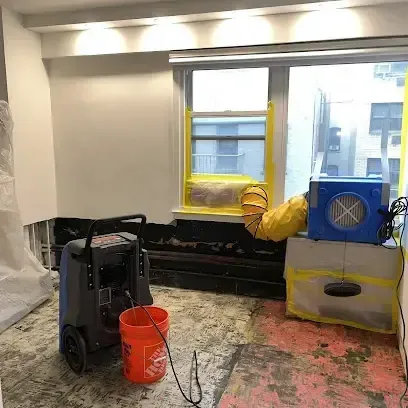
Water damage services for Victor Valley homes and businesses
Twelve services, water and sewage only, from pulling standing water off the floor to logging the last dry reading. Each card opens the full page with costs, steps and common questions.
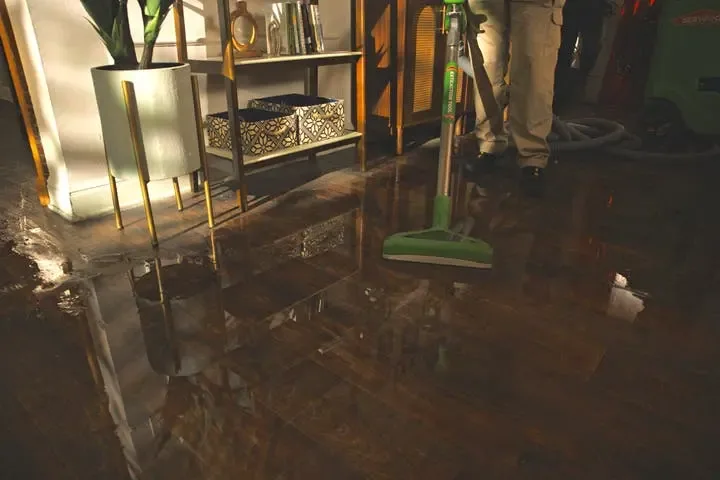 Water ExtractionStanding water pulled from carpet, tile and concrete with truck-mounted and portable units before it climbs the drywall.Read the service details
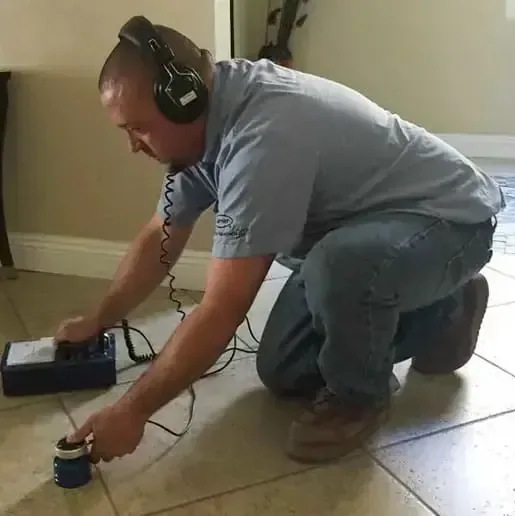 Slab Leak Water DamagePressure leaks below the concrete found with meters, wet flooring and baseboards lifted, the slab dried to readings.Read the service details
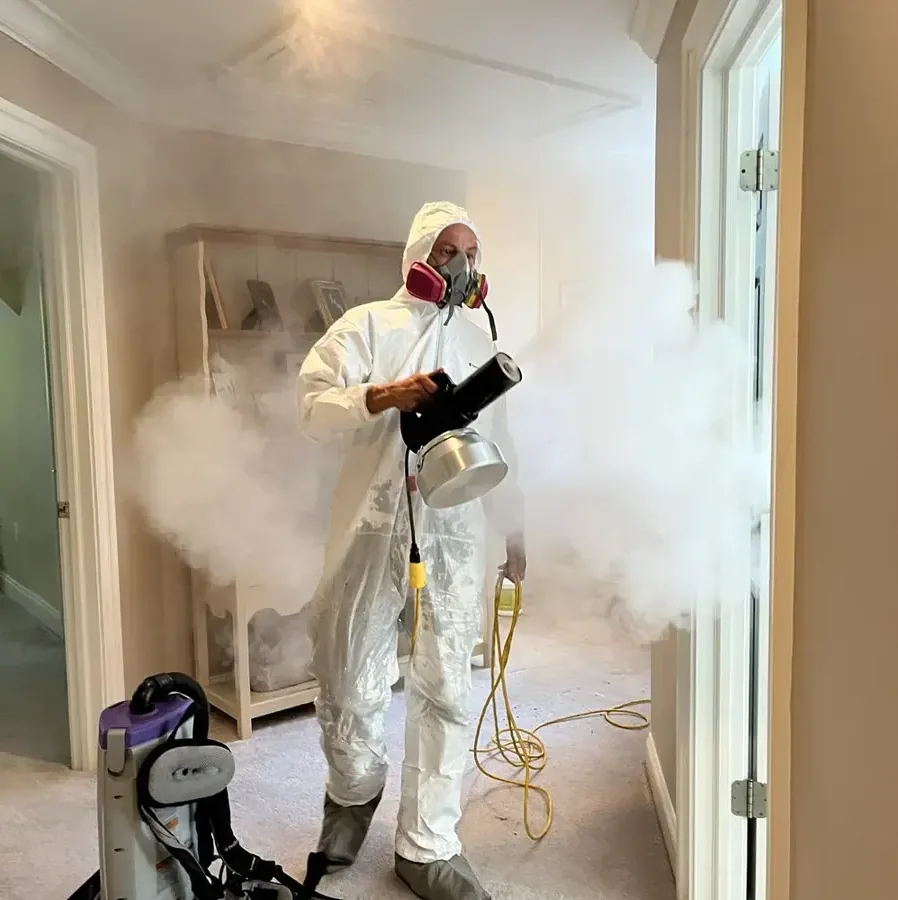 Sewage Backup CleanupBackups from toilets, tubs and floor drains handled as Category 3, with PPE, removal of soaked materials and disinfection.Read the service details
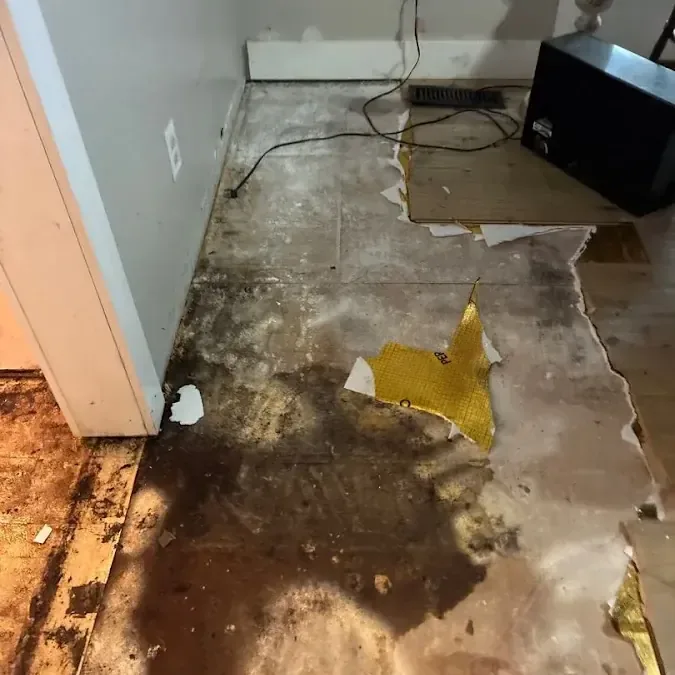 Burst Pipe Water DamagePressurized pipes that blow inside walls or ceilings extracted, wet cavities opened carefully and the framing dried.Read the service details
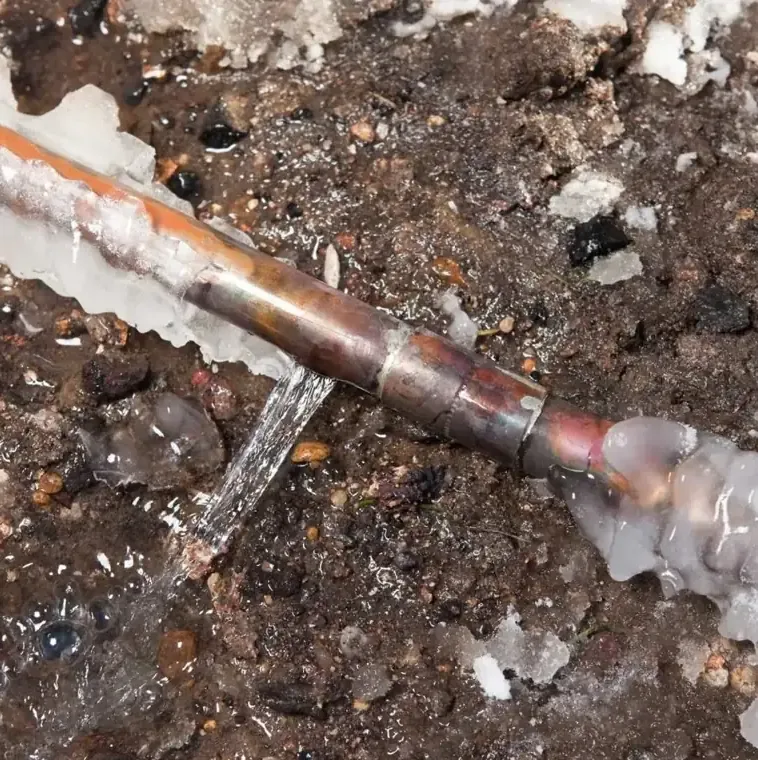 Frozen Pipe Water DamageCold-night splits in attics, garages and outside walls dried out once the thaw lets the water run.Read the service details
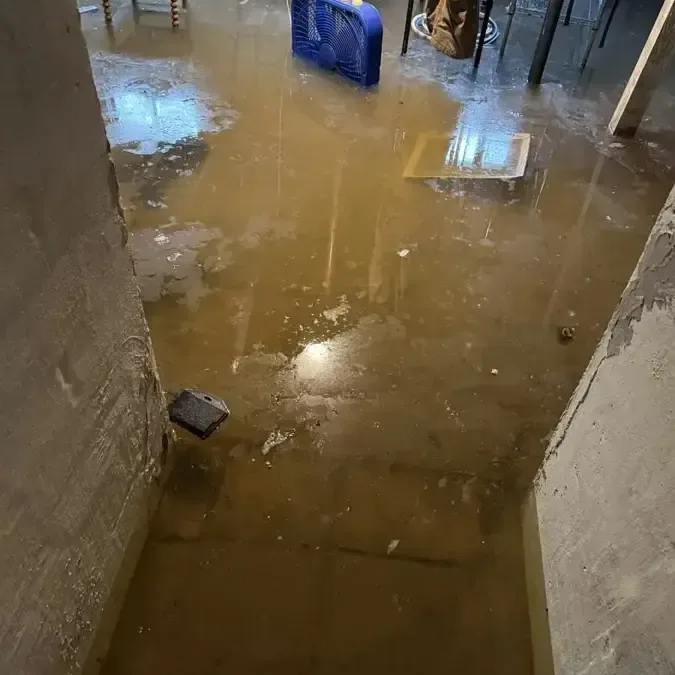 Flash Flood CleanupHeavy-rain runoff that pushes into garages and living areas cleared of silt, treated as contaminated and dried.Read the service details
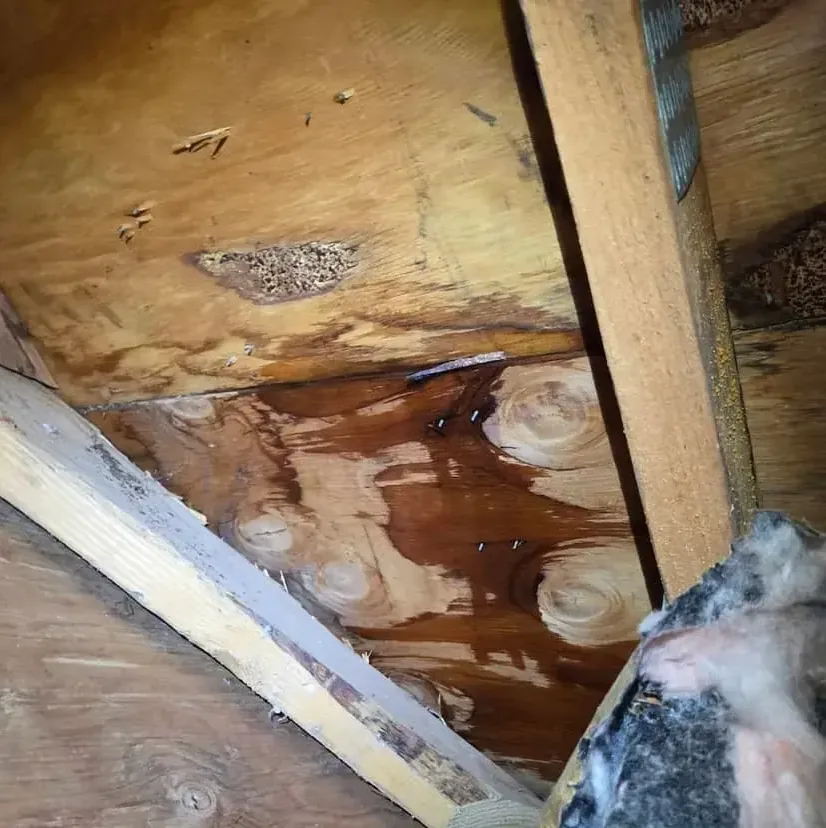 Roof Leak Water DamageRain driven under tile or shingles by strong wind, with wet attic insulation removed and the ceilings below dried.Read the service details
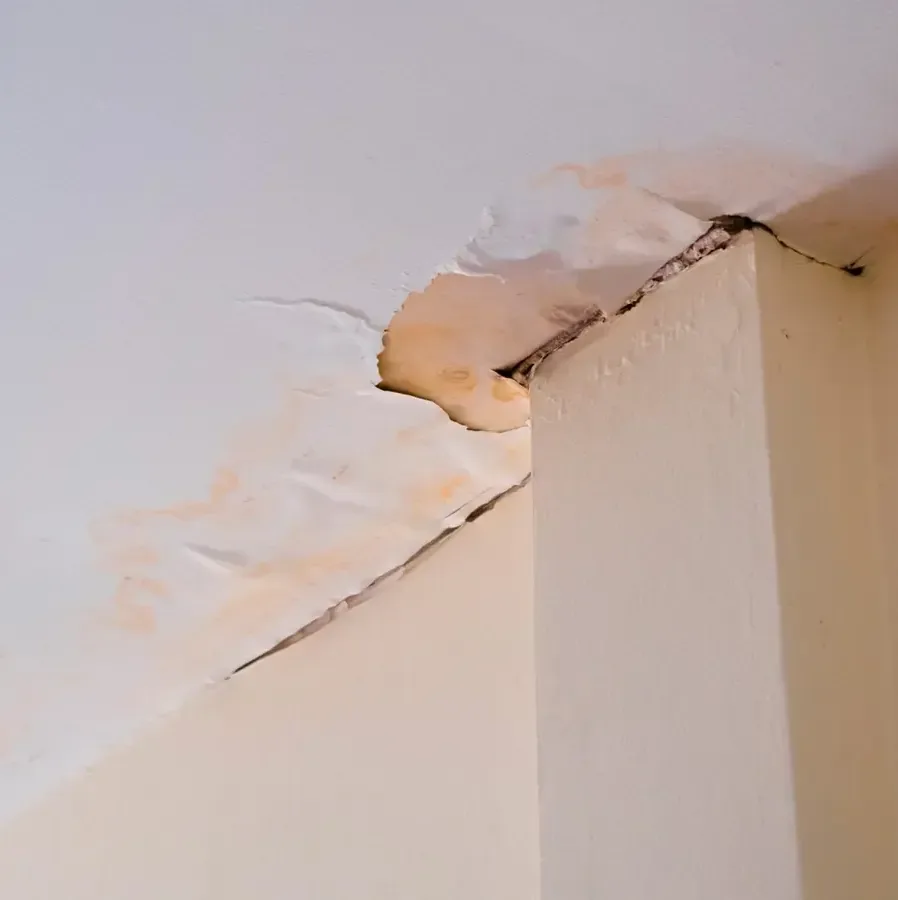 Ceiling Leak Water DamageDrips from bathrooms upstairs or attic plumbing tracked down, soaked drywall taken down safely and joists dried.Read the service details
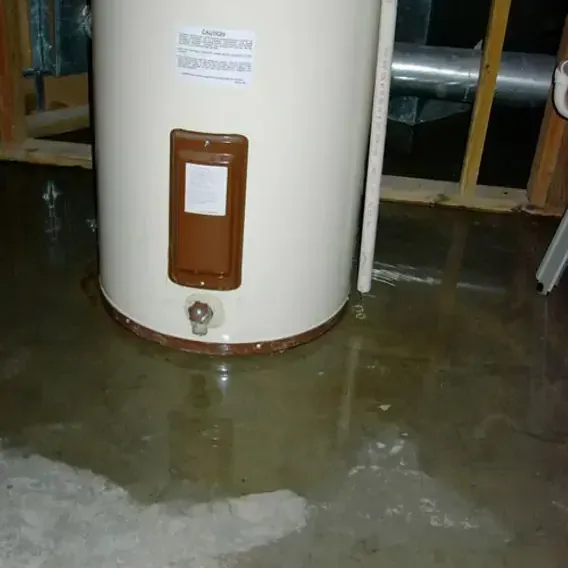 Water Heater Leak CleanupTank and connector failures in garages and closets extracted before the water spreads under walls into nearby rooms.Read the service details
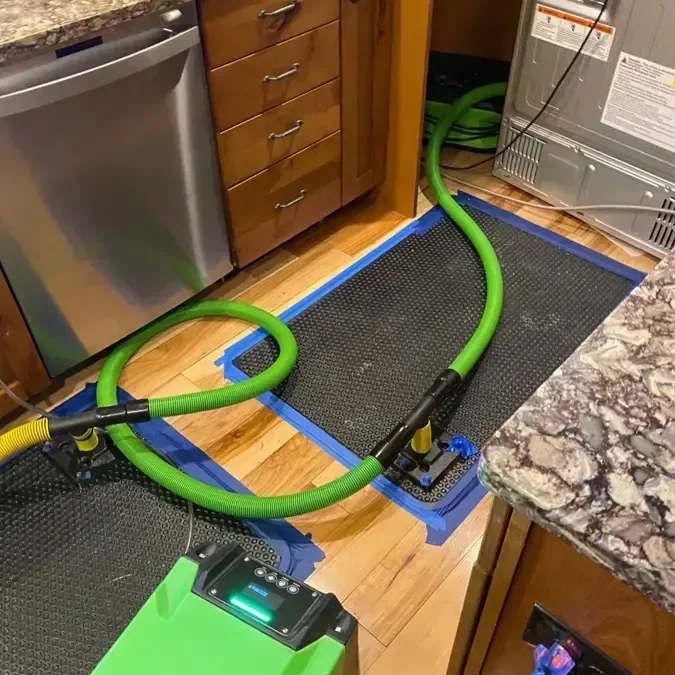 Appliance Leak Water DamageFailed washer, dishwasher, ice maker and toilet supply connections dried out of floors, toe kicks and cabinets.Read the service details
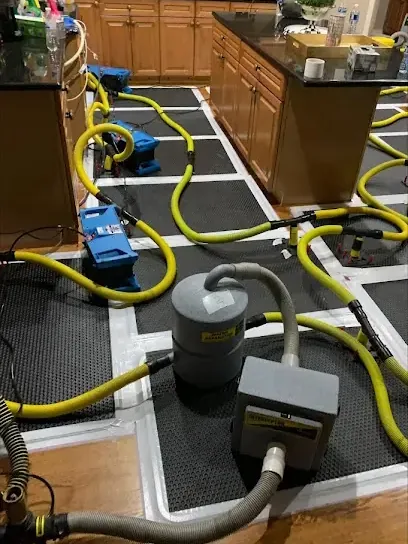 Structural DryingStuds, subfloor and concrete dried with LGR dehumidifiers and air movers until meters match unaffected material.Read the service details
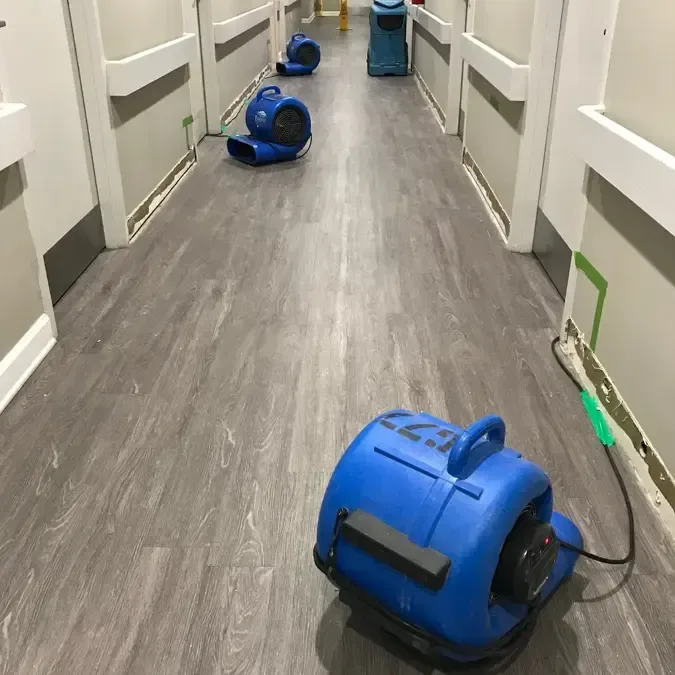 Commercial Water DamageRetail, offices, clinics and logistics buildings dried zone by zone so the open areas keep working.Read the service details
Five safe moves while the crew heads your way
Close the main valve
Find the shutoff, often in the garage or at the meter by the street, and turn it fully off. Close the heater supply too if the tank is the source.
Switch off wet circuits
Flip the breakers that feed rooms where water touches outlets, power strips or appliances, and keep off soaked carpet.
Record before moving anything
Shoot photos and short videos of each wet room, the source and damaged belongings for the claim file.
Get valuables up high
Move papers, electronics, rugs and boxes off the floor, and slide foil or wood blocks under furniture legs.
Hold off on demolition
Leave drywall and flooring in place and skip the shop vac on sewage, because the moisture map comes first.
Four stages from first meter reading to final dry log
Every loss runs in the same order: locate the water, take out what cannot be saved, dry what remains and prove it with numbers. Weather helps or hurts, but the readings set the finish point.
Inspection and moisture map
The technician on the walkthrough finds the source, then charts wet drywall, flooring and framing using meters and a thermal camera.
Water removal
Truck-mounted and portable extractors pull standing water out of carpet, pad and hard floors, which shrinks the drying load at once.
Tear-out and containment
Soaked pad, baseboards and drywall that cannot dry in place are removed, and plastic walls keep the dehumidifiers working on the wet zone.
Drying and sign-off
Air movers and LGR dehumidifiers run until daily readings sit within 2 to 4 points of a dry reference in the same building.
What drying equipment and controlled tear-out look like in a home
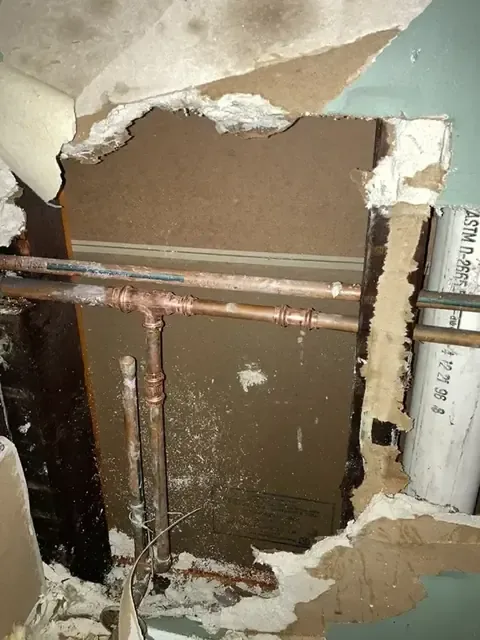
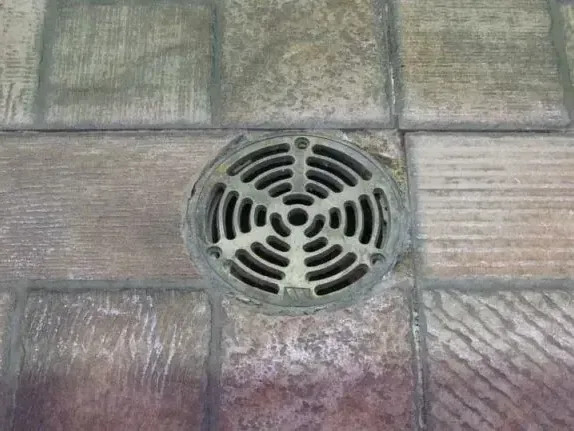
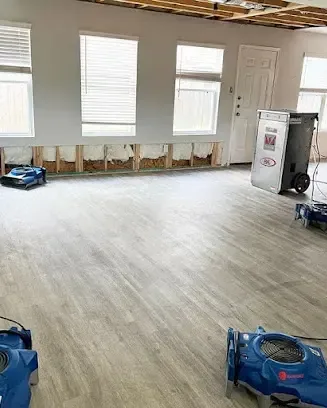
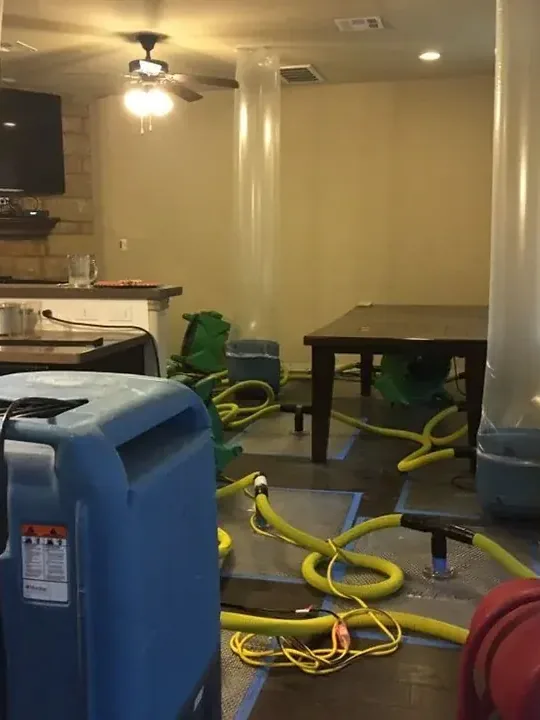
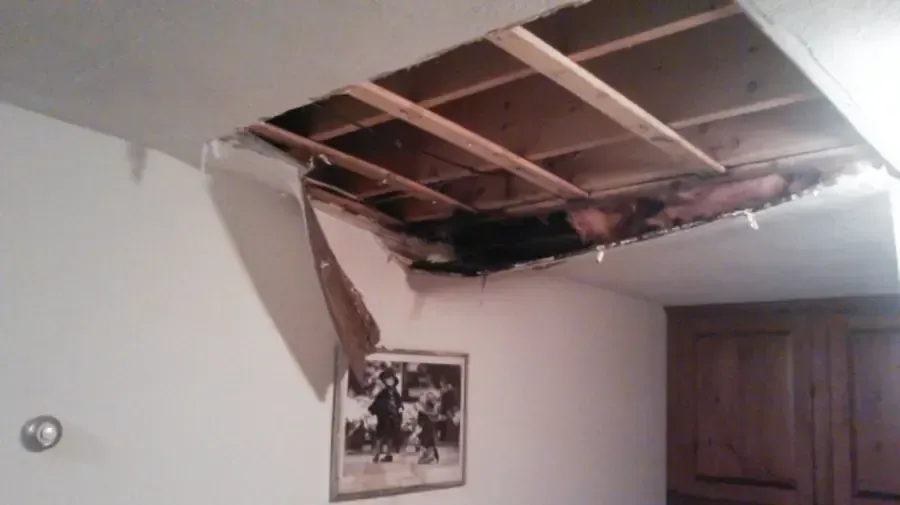
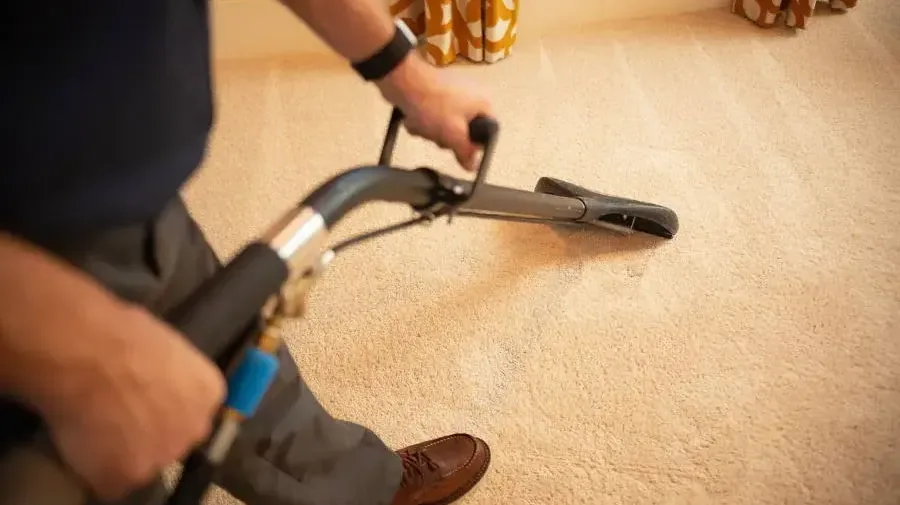
Why a room that looks dry can still be wet inside
Desert air pulls water off surfaces fast, which hides what is left in studs, subfloor and concrete. The drying team uses meters and written logs to decide when a room is truly dry.
Dispatch that never closes
Cold-snap pipe splits and winter storms arrive at all hours, so active water gets an urgent response 24/7, weekends and holidays too.
IICRC S500 as the yardstick
Air movers and LGR dehumidifiers are matched to the class of loss, and nothing is pulled until readings reach a dry reference.
Records an adjuster can follow
Moisture maps, daily temperature and humidity logs and dated photos from before any tear-out go into one claim file.
Know-how for desert homes
Stucco walls, tile roofs, attic plumbing and concrete floors each hold water in different places, and the walkthrough checks all of them.
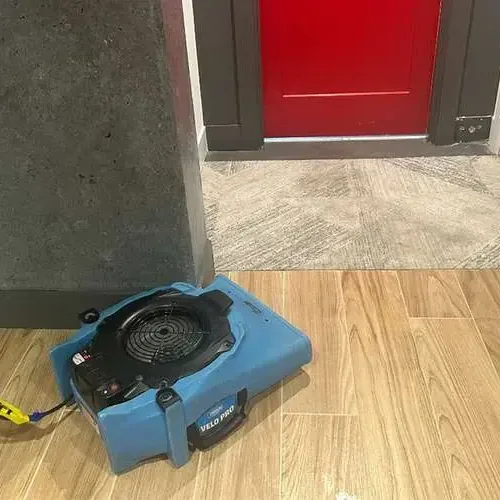
How the water category changes the cleanup plan
Category 1 from a pressurized pipe
A blown supply pipe, a leak under the slab or a failed water heater starts out clean. Dried quickly, most materials can stay.
Slab leak dry-outCategory 2 from appliances
Overflow from a washer, a dishwasher or a toilet carries soap and soil, so pad usually goes and surfaces are treated.
Appliance leak helpCategory 3 from sewage or runoff
Sewage and outside storm water carry bacteria and dirt. Anything porous it soaked is cut out and discarded.
Sewage backup helpWhat does water damage restoration cost in Victorville, CA?
A typical household water loss here runs $1,200 to $15,000 or more. What moves the total is the water category, how many square feet got wet, the materials involved and how soon drying began.
Contained and caught fast
- A single room or hallway
- Clean water from a pipe
- Pulled up and dried in place
Several rooms or under the slab
- Flooring up in more than one room
- Baseboards off, wall bottoms vented
- Containment with LGR units
Whole house, sewage or runoff
- Category 3 water or mud
- Soaked porous materials discarded
- Antimicrobial plus longer drying
These are typical ranges, not a quote. Pipe or roof repairs are billed separately, and the moisture map sets the final scope. Try the water damage cost calculator for a tighter number.
What adjusters look for in the documentation
Water claims are decided on paperwork. The mitigation team starts the file on the first visit, before anything wet leaves the house.
- Moisture readings mapped room by room
- Temperature and humidity logged every day
- Dated photos from before any tear-out
- The category of water and the class of loss
- An itemized scope covering extraction, removal and each drying day
Read your own policy
Many homeowners policies separate sudden, accidental water, like a burst pipe or a failed supply hose, from gradual leaks and from flooding.
Water that flows in from outside is usually a matter for separate flood coverage. Confirm coverage with your insurer, and the restoration team documents the loss regardless.
Victorville neighborhoods, corridors and ZIP codes covered
From Old Town and the Route 66 blocks to the Golden Triangle and Spring Valley Lake, Adelanto Water Damage Restoration covers the whole city at any hour.
ZIP codes
One call covers burst or frozen pipes, slab leaks, sewage backups and storm water at any address in town.
Email for non-urgent questions: [email protected]
Areas and corridors
Nearby cities
A drying crew for any Victor Valley address, around the clock
(888) 774-9605Have a crew sent to the Victor Valley addressWhat sends water into Victorville homes
The city sits at the southwestern edge of the Mojave Desert, with City Hall near 2,950 feet. Rain averages just 6.27 inches a year, yet freezes, wind and winter storms still bring water in.
February 24, 1998 The city logged 3.00 inches of rain in 24 hours, still its record for any single 24-hour period.
Freezing winter nights
The city averages 79 days a year with lows of 32 degrees or lower. Pipes in attics, garages and outside walls are the runs that split, and the leak often starts only once the morning warms them.
Winter rain in short bursts
Winter is the wet season here, and rain can arrive hard: February 1944 brought 5.45 inches in one month. Water that cannot soak in fast finds doors, garages and low patios.
Wind that loosens roofs
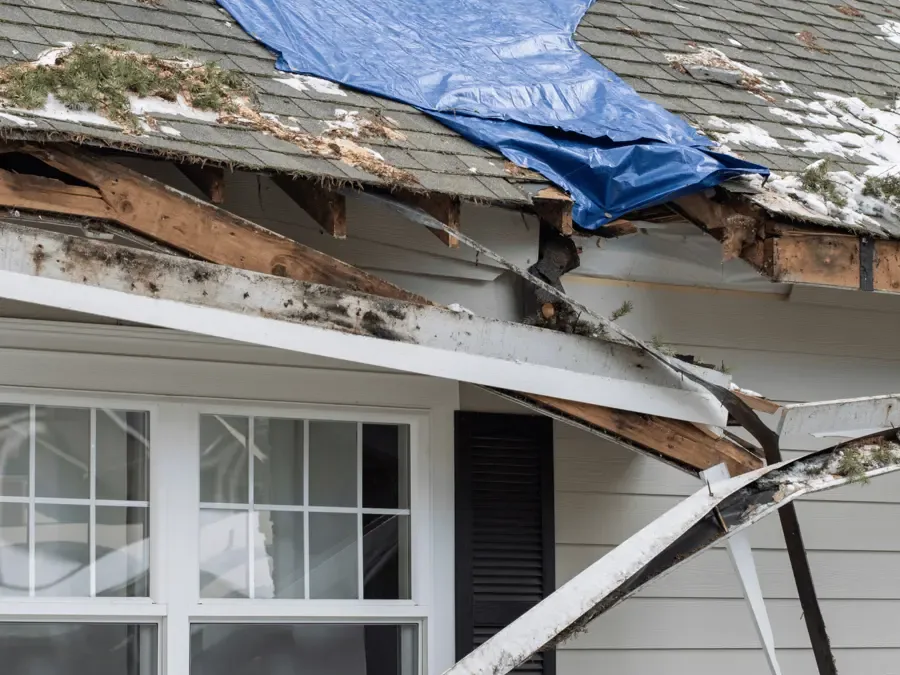
High wind events are common year-round and strongest in spring. Lifted shingles and shifted tile let the next storm drive rain into attic insulation and the ceilings below.
Private sewer lines
The city says property owners are responsible for private sewer lines and that regular cleaning helps prevent backups. A blocked line pushes sewage up through the lowest toilet or drain.
Leaks in rental homes
In the 2020 Census about 42.5% of occupied homes here were rented. A washer hose or dishwasher failure in a rental can run for hours before anyone notices.
Common water damage questions from Victorville
Is water still coming in?
Leave the reading for later. Close the main if you safely can, stay away from wet outlets and call dispatch.
(888) 774-9605Get extraction started at the houseHow quickly can a crew reach an address in town?
Dispatch runs day and night, and active water is handled as urgent at any hour. Arrival depends on where the crew is and on traffic along Interstate 15 and the surface streets, so give the cross streets when calling.
What should happen while waiting for the crew?
Close the main shutoff, and the heater supply if the tank is leaking. Switch off breakers to wet rooms, lift belongings off soaked floors and take photos before any cleanup. Keep kids and pets away from sewage or outside water.
Do pipes really freeze this far into the desert?
Yes. The city averages 79 days a year with lows of 32 degrees or lower. Exposed pipes in attics, garages and outer walls are most at risk, and a split usually starts leaking once the pipe thaws.
Who clears a sewer backup on a private line?
The city says property owners are responsible for private sewer lines and advises calling a plumber for blockages, while overflows in the public system are reported to Public Works. The restoration team cleans and dries everything inside the house.
How long does drying usually take here?
A contained loss in drywall and framing often dries in three to five days, helped by dry outdoor air. Concrete, hardwood and soaked cabinets take longer, and the equipment stays until meters match a dry reference.
Can a slab leak be dried without tearing out the floor?
Seldom. Wet pad and baseboards usually come out so the concrete has a path to dry. The local slab leak water damage page covers the steps and the typical cost.
What does IICRC S500 mean?
It is the industry standard for professional water damage restoration. It sets how water category and class of loss are judged, how drying equipment is sized and how dryness is confirmed with instruments instead of touch.
Why is sewage treated so differently from a pipe leak?
Sewage is Category 3 from the start. Crews wear PPE, cut out porous materials above the waterline, clean hard surfaces and leave an EPA-registered antimicrobial on for its full dwell time before drying.
Is water damage covered by homeowners insurance?
Sudden and accidental water, such as a burst supply pipe, is often covered. Gradual leaks, sewer backups without an endorsement and outside flood water are handled differently. Check your own policy, and the claim file documents the loss either way.
What sets the price of a water damage job?
The water category, the square footage that got wet, the material class and the number of drying days the readings require. Starting early keeps each of those down, and the itemized scope lists them one by one.
Water spreading through a Victorville home? Get the extraction crew moving.
Each hour the water sits, it wicks higher into drywall and deeper into flooring.
(888) 774-9605Have the extraction crew dispatched