Water Damage Restoration Apple Valley, CA
When a pipe splits, a water heater fails or a storm pushes water through the door, the restoration team extracts it, dries the structure and records every reading for the insurance file.
(888) 774-9605Call for water damage help nowPhotos, moisture readings and equipment logs are saved from the start, so the insurer sees what was wet and what was done.
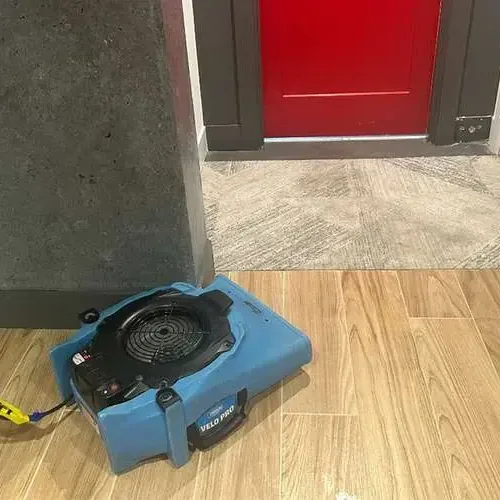
Water damage services across the town
Each service below covers one kind of water loss, from a split supply pipe to a flooded garage. Pick the closest match, or call and describe what happened.
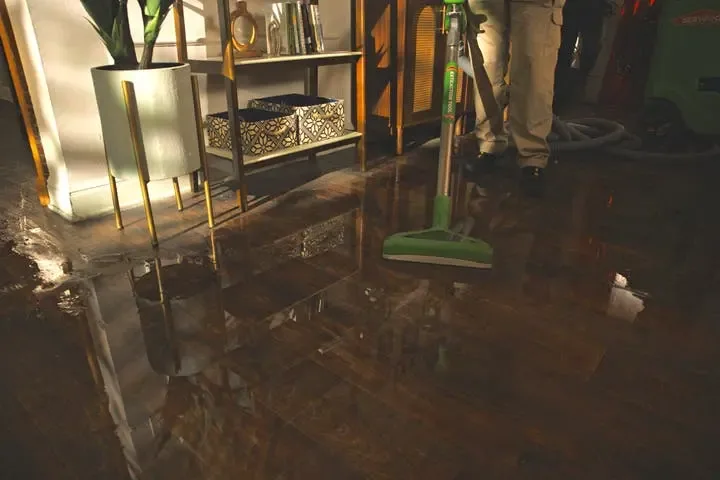 Water ExtractionTruck-mounted and portable extractors lift standing water off floors before drywall and subfloors can soak it up.Read the service details
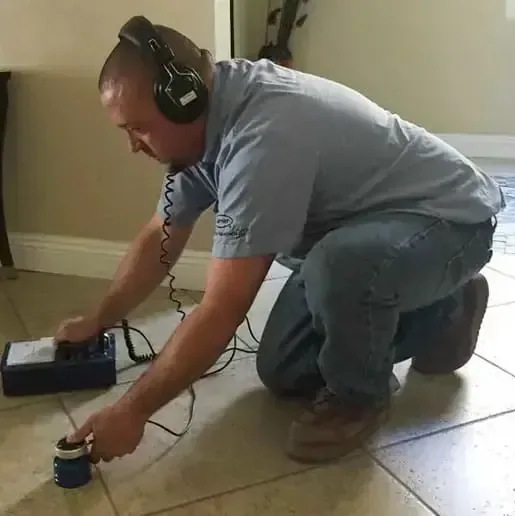 Slab Leak Water DamageHidden leaks under the floor slab are traced with listening gear, then wet flooring above is dried out.Read the service details
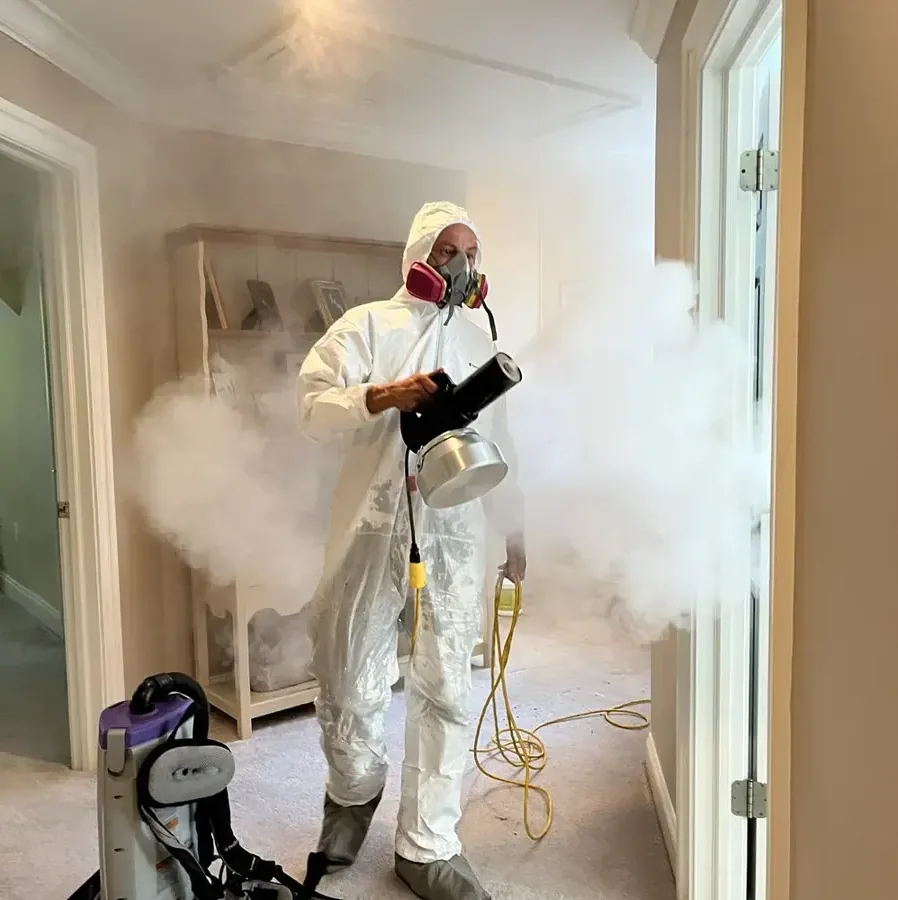 Sewage Backup CleanupContaminated drain backups call for protective gear, removal of affected material and careful sanitizing of every surface touched.Read the service details
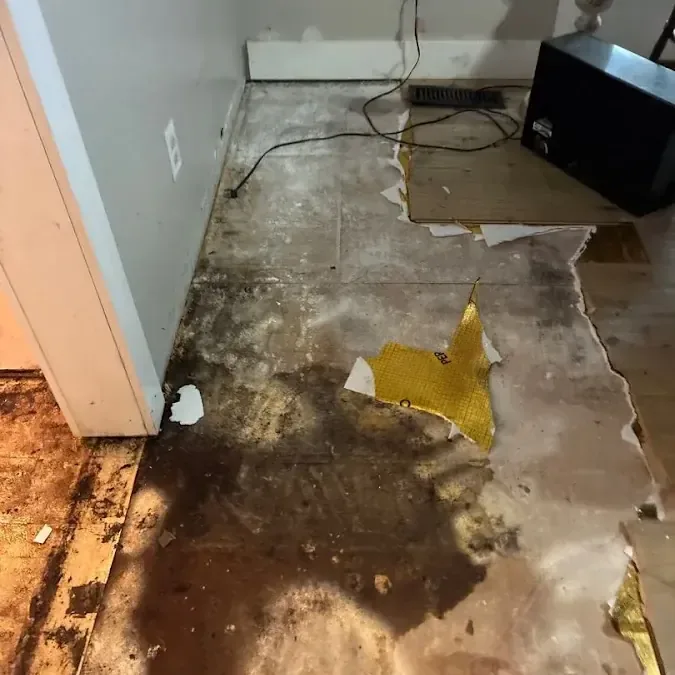 Burst Pipe Water DamageA split supply pipe soaks a wall quickly, so the crew extracts the water and opens the cavity to dry it.Read the service details
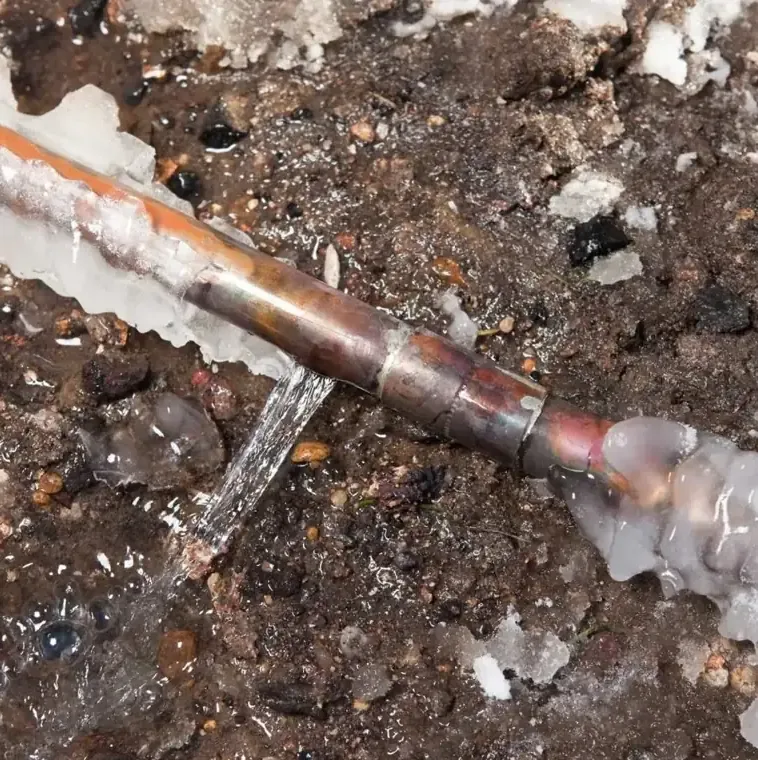 Frozen Pipe Water DamageCold nights can split a pipe in an attic or garage wall, and the thaw sends water into ceilings and insulation.Read the service details
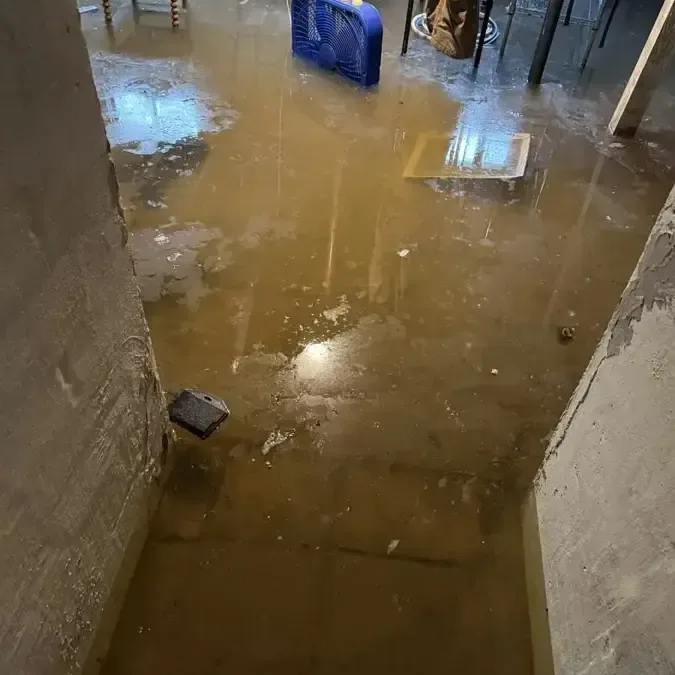 Flash Flood CleanupStorm water and mud in a garage or on a ground floor are pumped out, then soaked materials are removed and dried.Read the service details
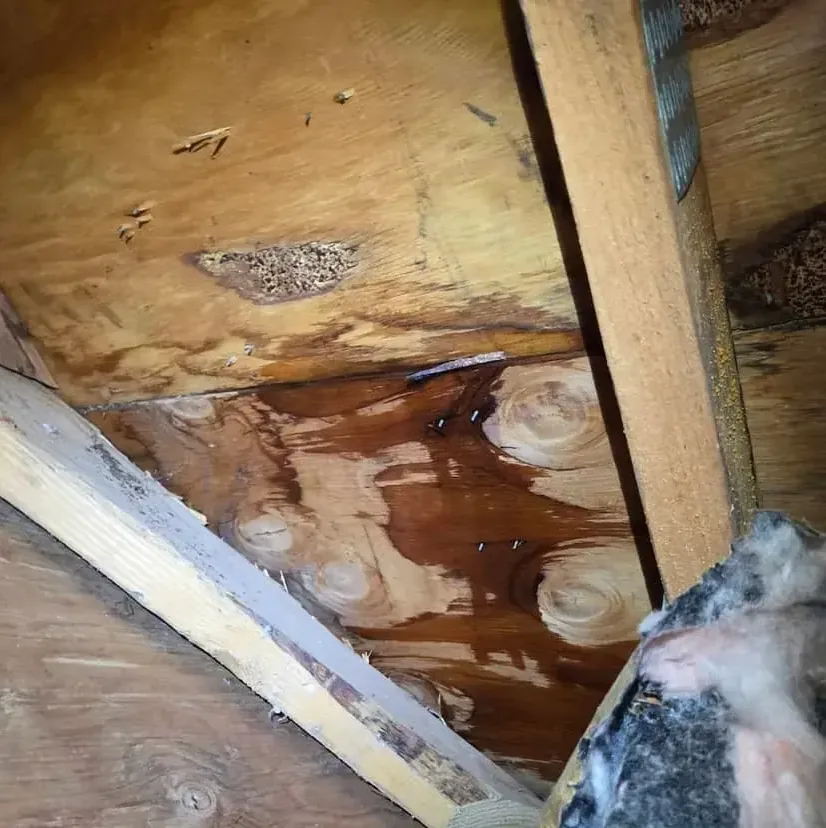 Roof Leak Water DamageRain that finds its way through the roof wets insulation and ceilings, so the crew dries everything below the leak.Read the service details
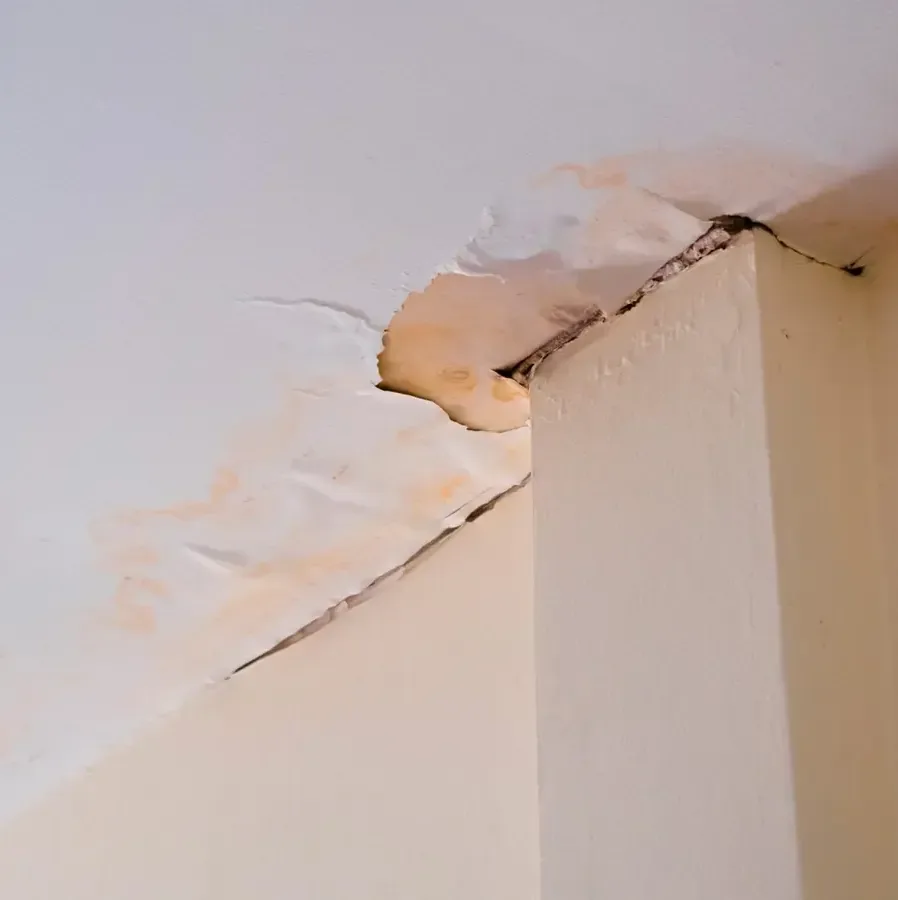 Ceiling Leak Water DamageA stained or sagging ceiling needs trapped water released and the drywall and framing above it dried out.Read the service details
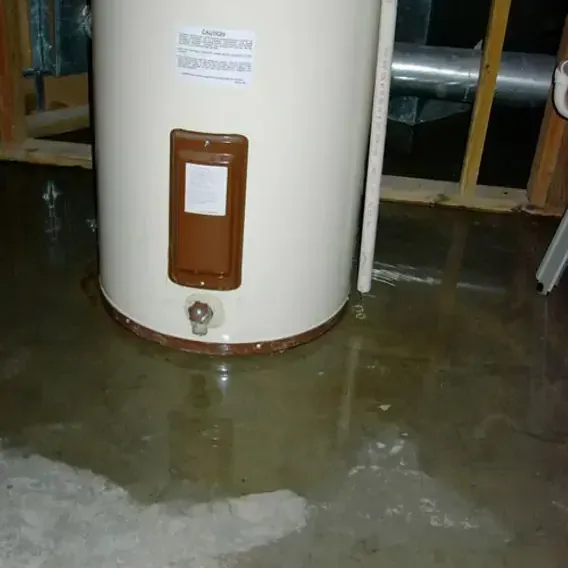 Water Heater Leak CleanupA failing tank can flood a garage or closet, and the crew extracts the water and dries nearby walls and floors.Read the service details
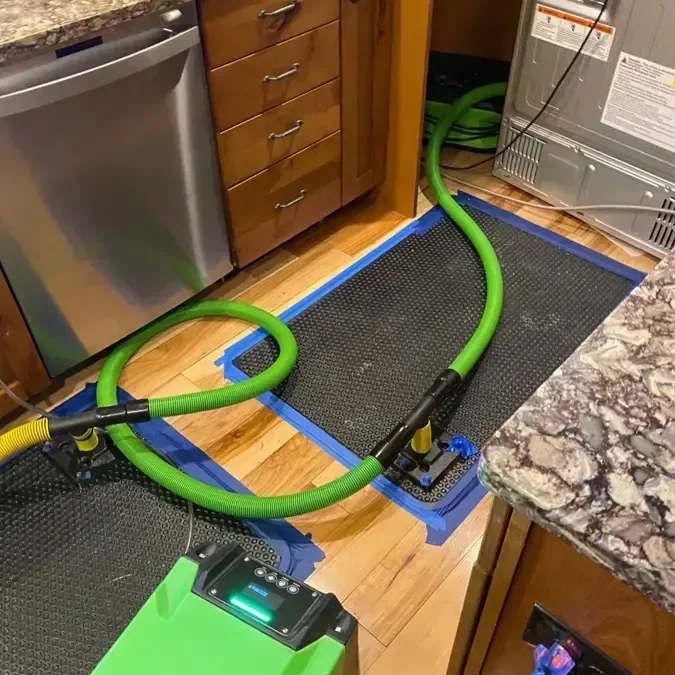 Appliance Leak Water DamageDishwashers, washers and ice makers leak under cabinets and floors, where meters and drying mats trace the damp.Read the service details
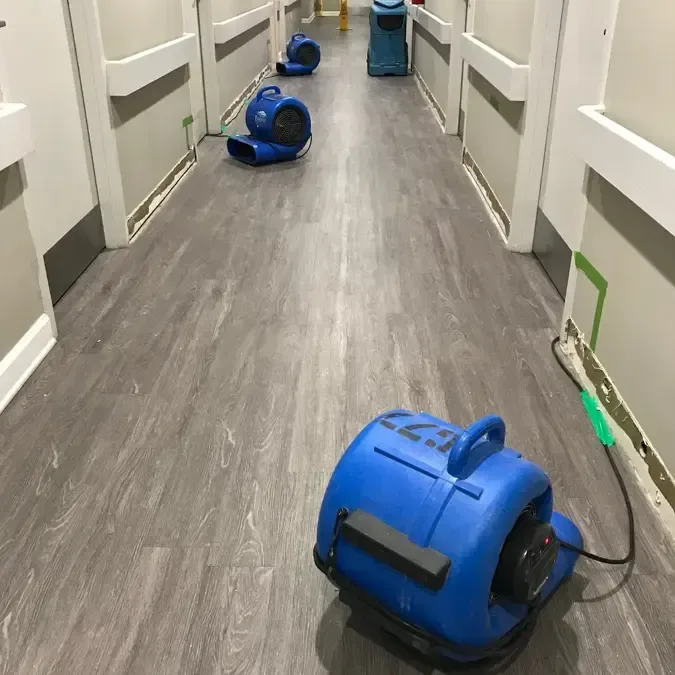
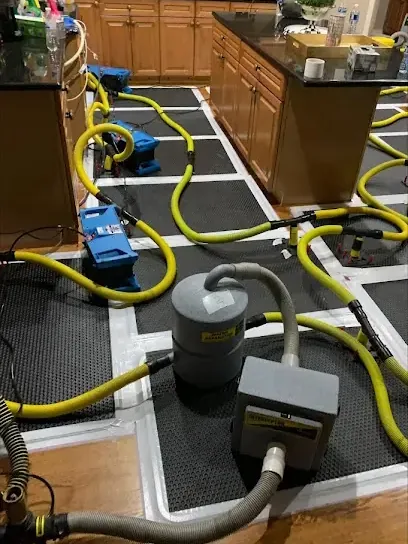 Structural DryingAir movers, dehumidifiers and moisture meters work together until walls, floors and framing read dry again.Read the service details
 Commercial Water DamageStores, offices and warehouses get a drying plan that works around tenants, staff and daily operations.Read the service details
What to do right after water shows up
Stop the source
Close the main shutoff or the valve at the failed fixture so no more water enters the house.
Stay clear of electricity
Leave wet outlets and panels alone, and only switch off power if the breaker box is dry and safe to reach.
Move what you can
Lift small furniture, rugs and papers onto dry surfaces, and leave the heavy pieces for the crew.
Take photos
Photograph the water, the damaged belongings and any visible source before anything is moved.
Call the crew
Describe what happened, and the response team explains the next steps while the extraction equipment is lined up.
How drying is reached and proven
A structure counts as dry when moisture meters read the same as unaffected parts of the house, not when surfaces simply feel dry. Logged readings show the progress at every visit.
Find the water
Meters and thermal imaging show where moisture traveled behind walls, under floors and above ceilings.
Remove the bulk
Extraction clears standing water, and wet carpet pad or soaked drywall comes out when it cannot dry in place.
Dry the structure
Air movers and dehumidifiers run steadily while the crew checks readings and adjusts the equipment placement.
Confirm and document
Final readings are compared with dry reference points from unaffected rooms, and the file is saved for the insurer.
What water damage work looks like on the job
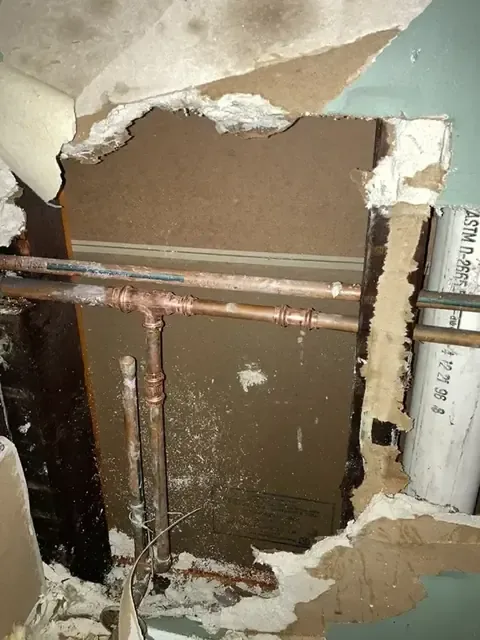
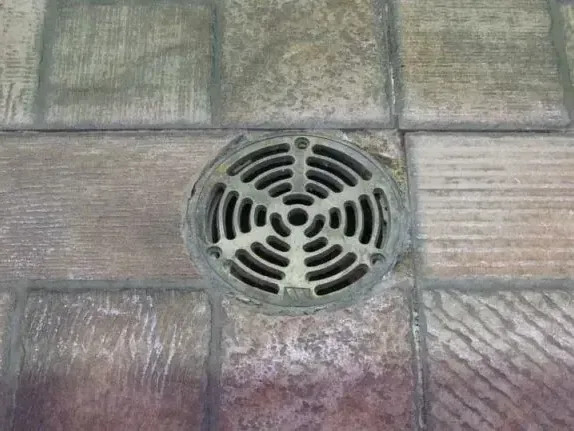
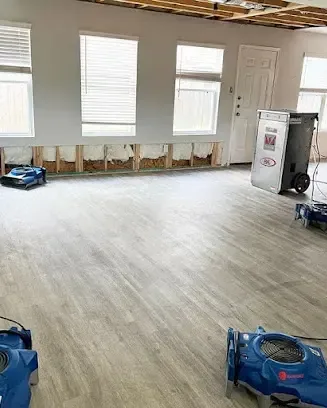
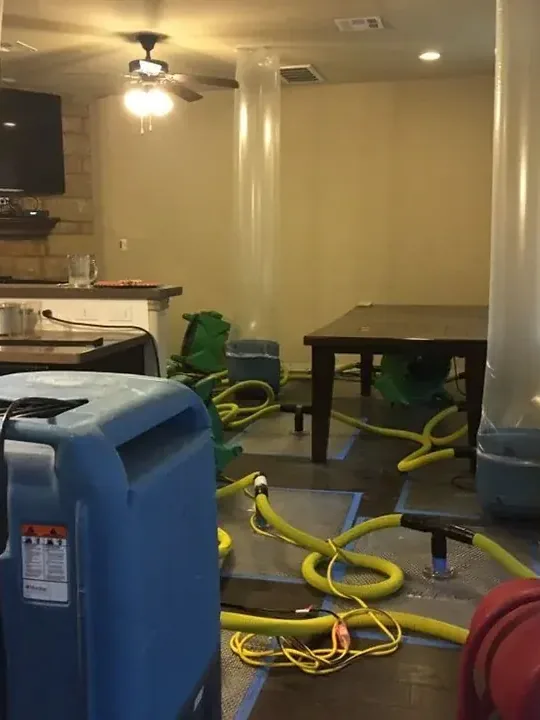
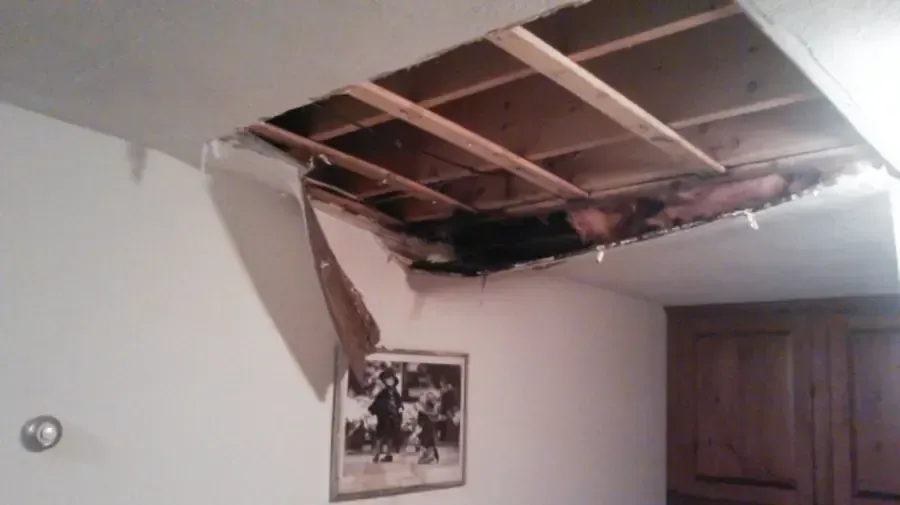
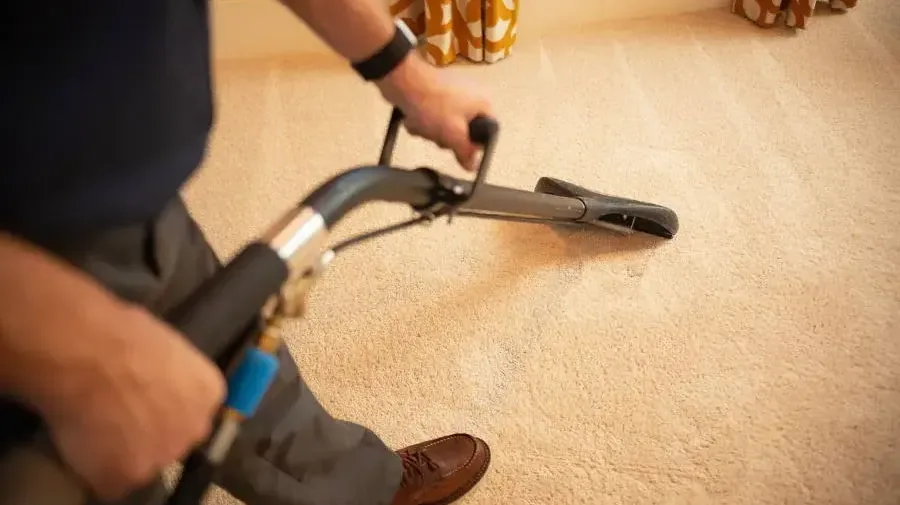
What a careful water damage response looks like
The work is shaped by how houses here get wet: split pipes on cold nights, roof leaks after winter rain and the occasional storm such as the August 2023 Tropical Storm Hilary.
Water-only focus
The crews work on water and sewage losses only, so the equipment and the process all point at one kind of problem.
Meters, not guesses
Moisture meters and thermal cameras show what is wet, which keeps teardown limited to material that really needs to go.
Clear scope first
The walk-through explains what will be extracted, opened and dried before the equipment is set up.
Records for the claim
Photos, readings and equipment logs are saved so the insurer can see how the loss was handled.
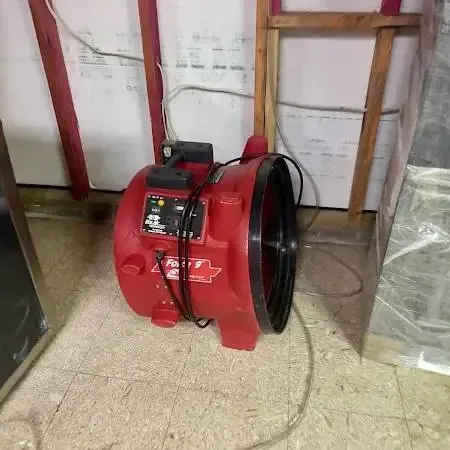
Where most water losses begin
Leaks hidden under the floor
A slab leak can run unseen for weeks before a warm spot or damp flooring gives it away. The crew traces it and dries what it soaked.
Slab leak serviceKitchen and laundry appliances
Dishwashers, washers and ice makers fail at the hose or the pan, and the water spreads under cabinets before anyone sees it.
Appliance leak helpSewer and drain backups
Water rising from a floor drain or toilet is contaminated, so removal and sanitizing follow a stricter routine than clean water jobs.
Sewage backup cleanupWhat does water damage restoration cost here?
Most jobs land between $1,200 and $15,000 or more, depending on how far the water spread and how long it sat. Clean water caught early stays at the low end.
Small loss, caught early
- Water limited to one room
- Clean supply water source
- Extraction and structural drying
Several rooms
- Water in walls or floors
- Wall and floor drying
- Daily moisture checks and logs
Large or contaminated
- Whole floor or sewage involved
- Heavy material removal
- Extended drying and monitoring
Final pricing follows a walk-through with moisture readings, because hidden wet material changes the scope. Sudden water loss is often covered by insurance, and the crew documents the work for the claim.
Water damage and your insurance claim
Sudden water loss is often covered, but insurers want proof of what happened. The crew builds that record while the work is under way.
- Photos of the damage before cleanup
- Moisture readings from every wet area
- A list of materials removed and why
- Equipment logs showing how long drying ran
- Final readings proving the structure is dry
If you file the claim yourself
Tell the insurer about the loss soon, describe what happened and ask which emergency steps are covered before any big decisions are made.
Keep damaged items until the adjuster has seen them or approved their disposal, and hand over the crew's photos and readings with the claim.
Neighborhoods and roads the crews cover
Call at any hour, whether the water started in a house near the foothills or in a shop along Bear Valley Road, and the crew sets up the next steps.
ZIP codes served
For anything that can wait, such as paperwork questions or what an adjuster asked for, email is the better route.
Email for non-urgent questions: [email protected]
Main roads and areas
Nearby service areas
How to reach a crew from anywhere in town
(888) 774-9605Call about water in your houseWhat puts local homes at risk
The town sits at the southern edge of the Mojave Desert, yet water still gets indoors through winter rain, cold-night pipe splits, worn water heaters and the rare storm.
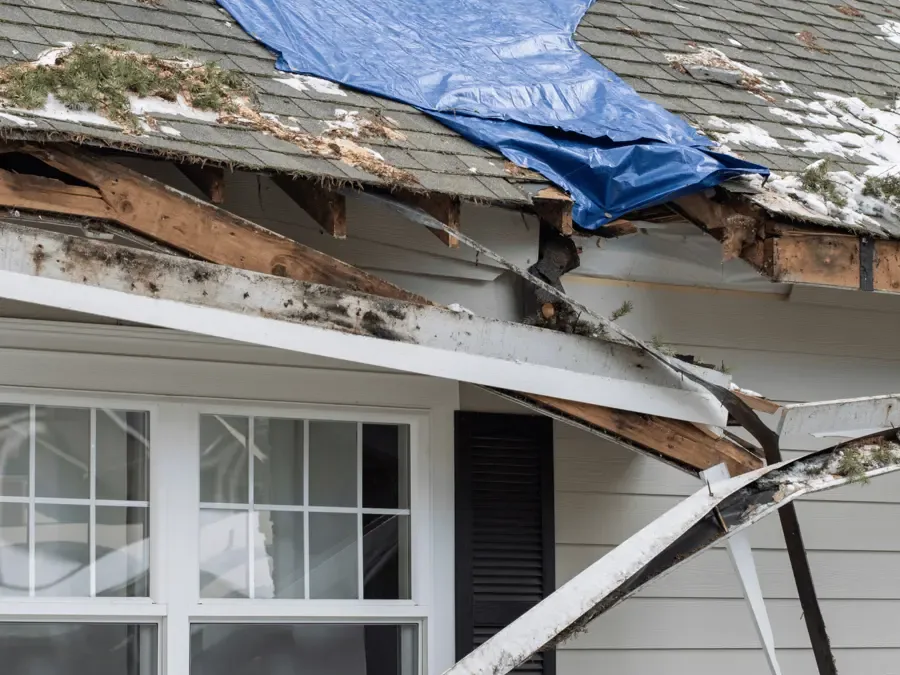
August 20, 2023 August 2023 Tropical Storm Hilary flooded parts of the Victor Valley, including Apple Valley, and sheriff's officials said many intersections were covered in water.
Winter rain and roofs
February is typically the wettest month at about 1.2 inches, and that rain is when roof leaks and stained ceilings tend to turn up.
Cold nights and pipes
December and January lows average 30 and 31 degrees, cold enough to split exposed pipes in garages and attics before the thaw sends water into the walls.
Storm water at the door
The former Apple Valley Dry Lake is now part of the subdivided town grid, and roadbeds and culverts have altered drainage along the Mojave River valleys, so water from a hard rain does not always drain as expected.
Wind in spring and fall
Seasonal high winds blow through now and then in spring and fall, and they can loosen roofing and flashing so the next rain gets inside.
Hot, dry summers
July highs average about 99 degrees, and long hot stretches are hard on rubber hoses and tank water heaters, so slow leaks can go unnoticed for weeks.
Common water damage questions
Still have a question?
Describe what happened by phone, and the crew explains the likely scope and the first steps for your situation.
(888) 774-9605Talk to the crew nowWhat should I do first when water appears?
Shut off the water at the main valve or the failed fixture, keep clear of wet electrical items, and call the restoration team. Early extraction keeps water from soaking into drywall, baseboards and subfloors.
How long does drying take?
That depends on the materials, the humidity and how far the water spread, so the crew follows moisture readings instead of a calendar. Equipment stays in place until the structure reaches its dry standard and the readings are logged for the file.
Does homeowners insurance cover water damage?
Sudden events such as a burst pipe or a failed water heater are commonly covered, while slow leaks and neglected maintenance often are not. The policy and the adjuster decide, and the crew supplies photos and readings.
Who is the water provider if the problem is outside the house?
Over eleven water purveyors serve the town and its rural communities, so the water bill is the reliable way to see which provider applies. The crew handles the water inside the house either way.
Is it safe to stay in the house after a leak?
Clean water from a supply pipe often allows it once electrical hazards are controlled. Sewage or storm water changes that, and the crew explains what is safe after seeing the affected rooms.
What happens to wet carpet and drywall?
Carpet pad and soaked drywall come out when they cannot be dried reliably, while carpet and solid materials are often saved. Moisture readings decide each case, not guesswork or habit, and the crew explains the choice before cutting anything out.
Are storm floods handled differently from pipe leaks?
Yes. Storm water carries mud and contaminants, so flash flood cleanup involves more removal and sanitizing, while a clean supply pipe leak is mostly extraction and drying with far less material lost.
Can mold start after a small leak?
Mold can begin to grow in damp materials within 24 to 48 hours, which is why quick water extraction and drying matter even when a leak looks minor at first.
What should I tell the crew when I call?
Say where the water came from, which rooms are wet, whether the power is off and whether the water looked clean or dirty. Photos taken before the call help the crew size up the job.
Do shops and offices get the same service?
Yes. Commercial properties along State Route 18 and Bear Valley Road get commercial water damage drying plans built around tenants, staff and daily operations, with the same readings and records that homes receive.
Water in the house? Get the extraction crew started
A call now keeps the damage from spreading while the crew plans the extraction and drying.
(888) 774-9605Call the restoration team