Water Damage Restoration Barstow, CA
Burst pipes, failed appliances, leaking roofs and sudden storms all end the same way, with water where it does not belong. The restoration team pulls the water out and dries a Barstow home before damage spreads.
(888) 774-9605Call the desert drying crewRain is rare in the desert, so most water in a home comes from a pipe, a tank or an appliance.
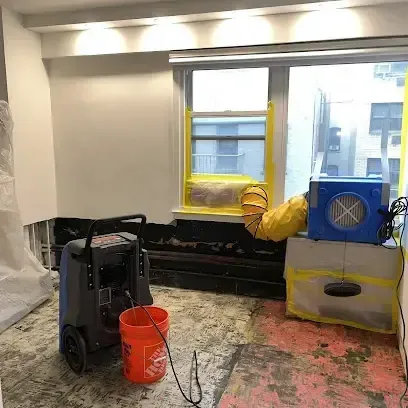
Water damage services in Barstow
From a single wet room to a flooded business, each job starts with removing standing water and measuring what the walls and floors are holding. Choose the cause that matches the loss.
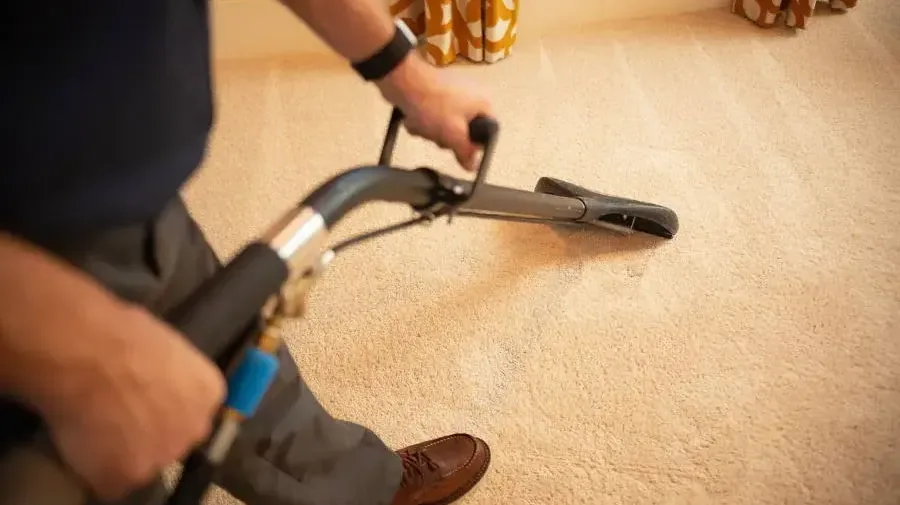
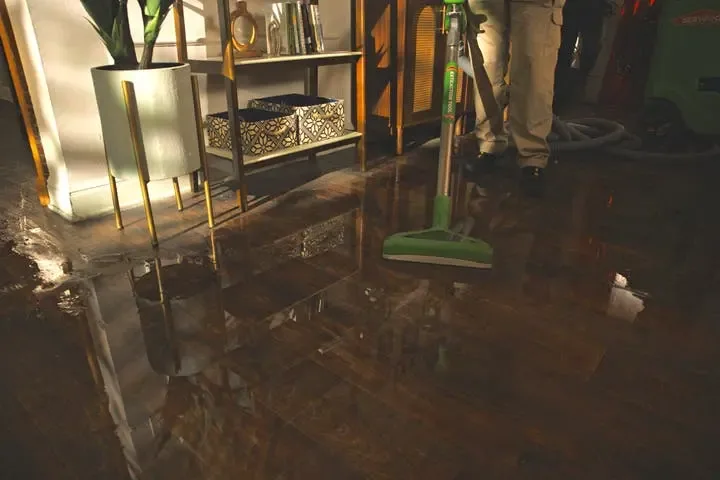 Water ExtractionPumps and extraction wands remove standing water from floors, carpet and padding so drying can begin.Read the service details
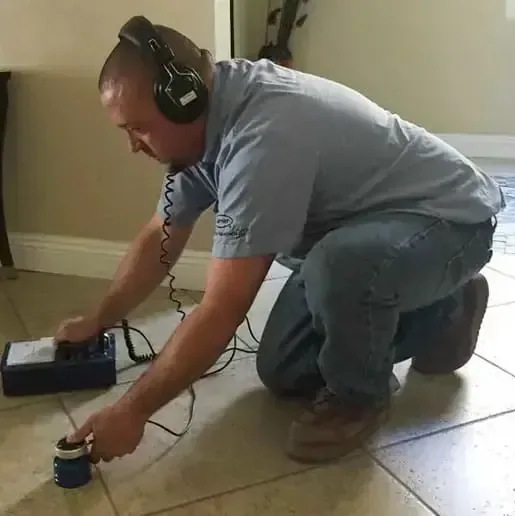 Slab Leak Water DamageAcoustic gear pinpoints a leaking pipe under a concrete floor so the wet flooring and slab can dry.Read the service details
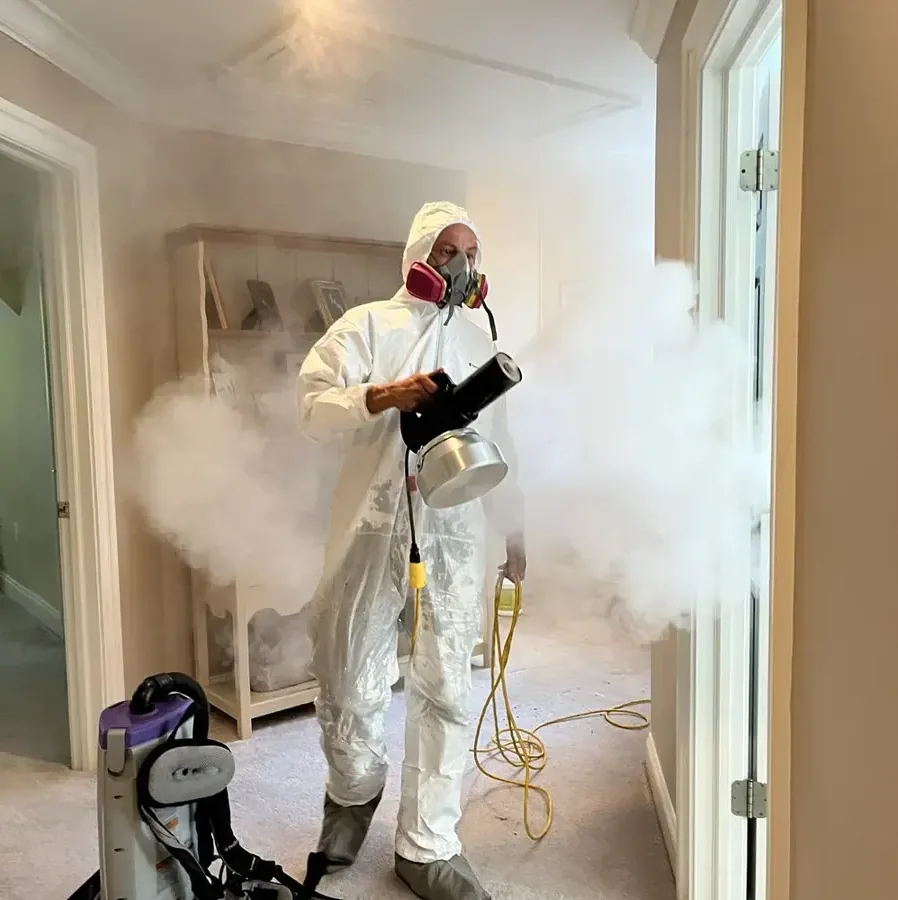 Sewage Backup CleanupContaminated water is removed from floors and walls, then affected surfaces are cleaned and sanitized with protective gear.Read the service details
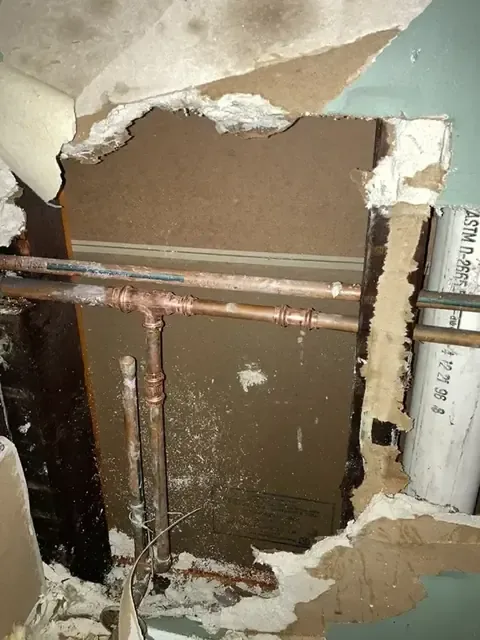
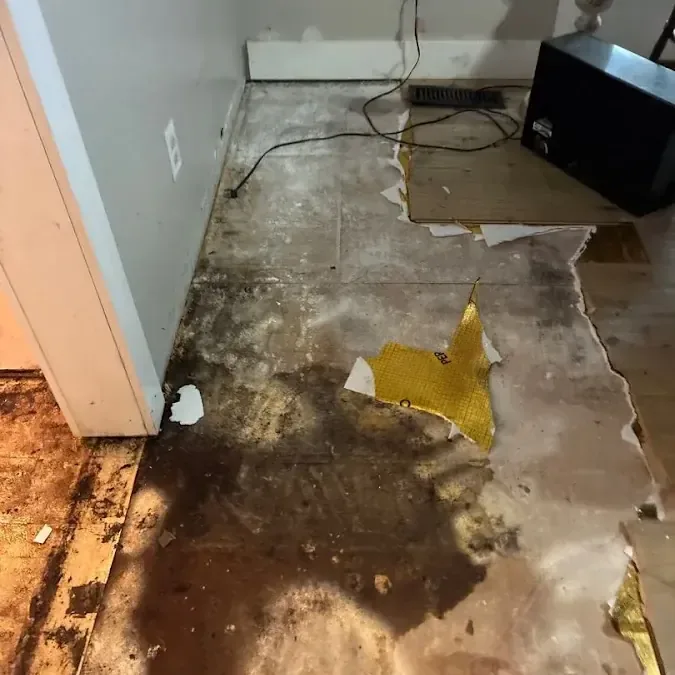 Burst Pipe Water DamageA split pipe soaks walls and floors quickly, so the wet drywall is opened and the cavity dried.Read the service details
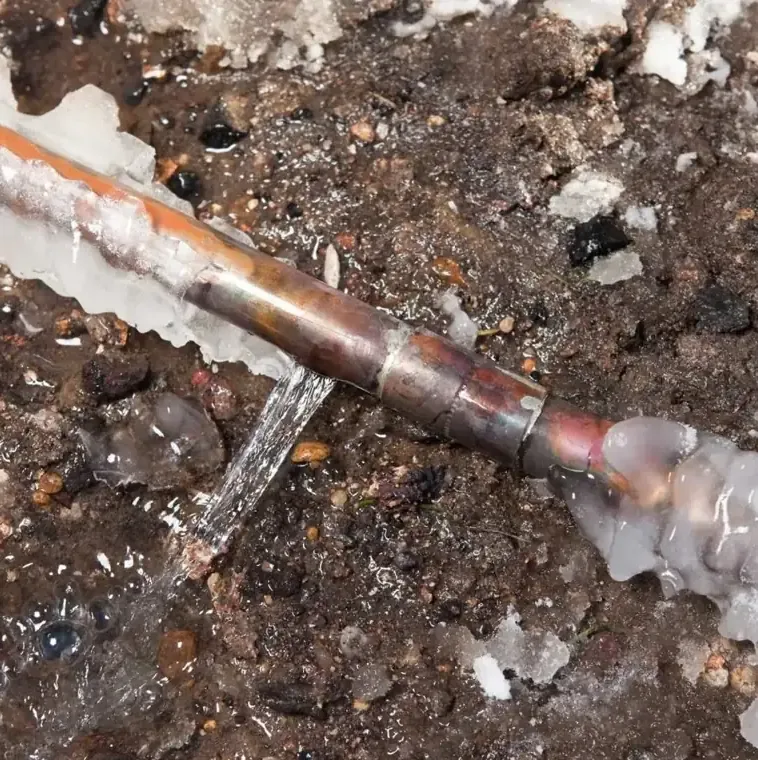 Frozen Pipe Water DamagePipes split by a hard freeze flood walls or attics when they thaw, and the wet materials get dried.Read the service details
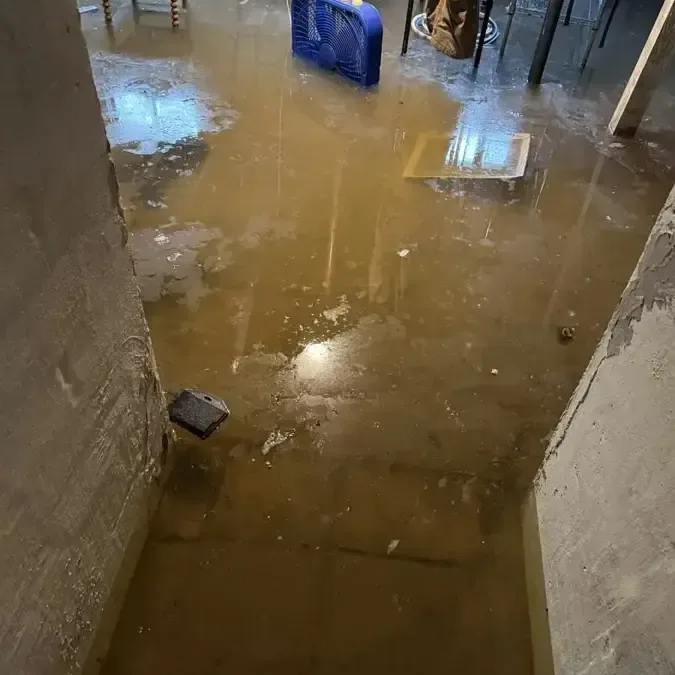 Flash Flood CleanupMuddy storm water is pumped out, then floors and walls are cleaned and dried after a flash flood.Read the service details
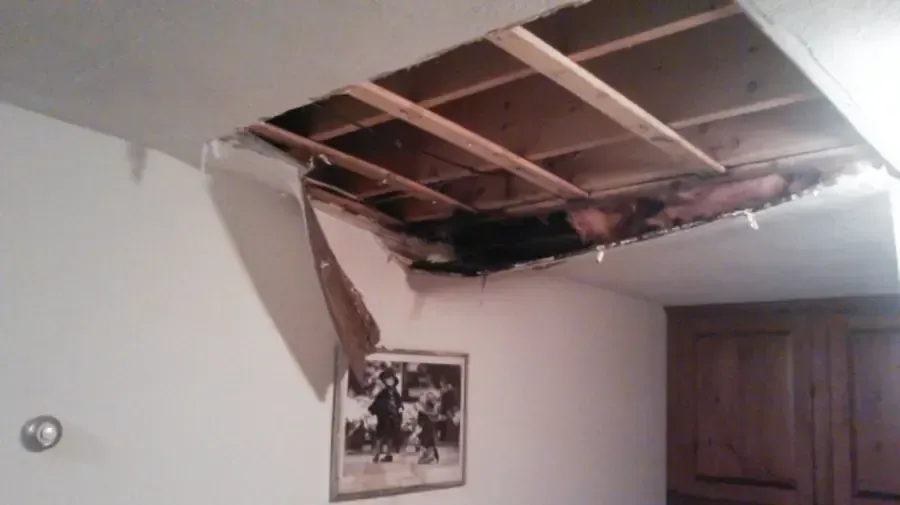
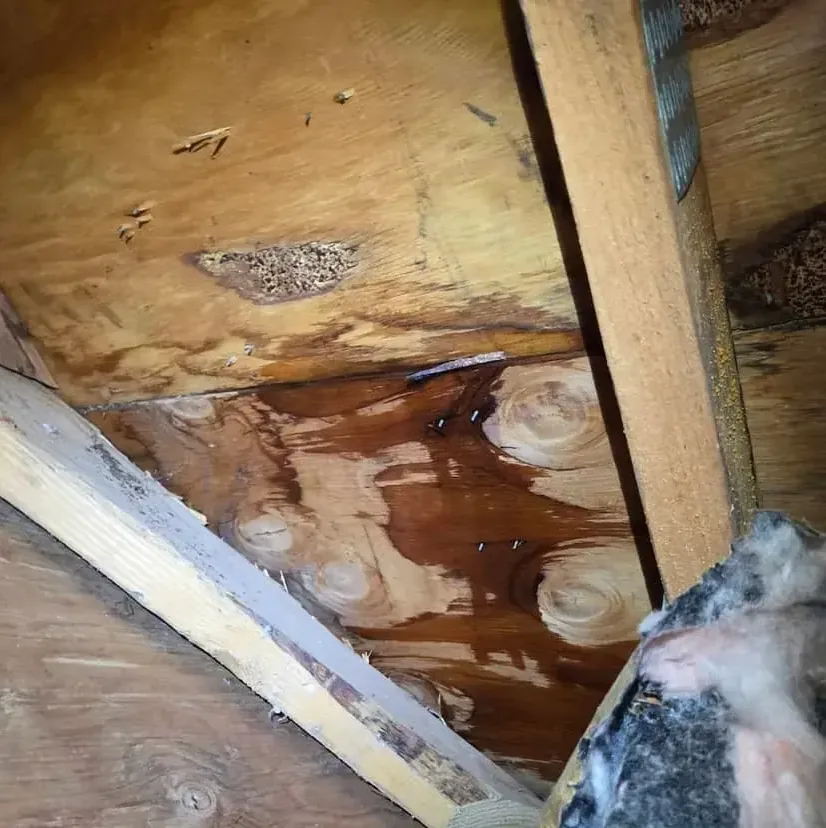 Roof Leak Water DamageWater that gets past the roof stains ceilings and soaks insulation, so the wet layers are found and dried.Read the service details
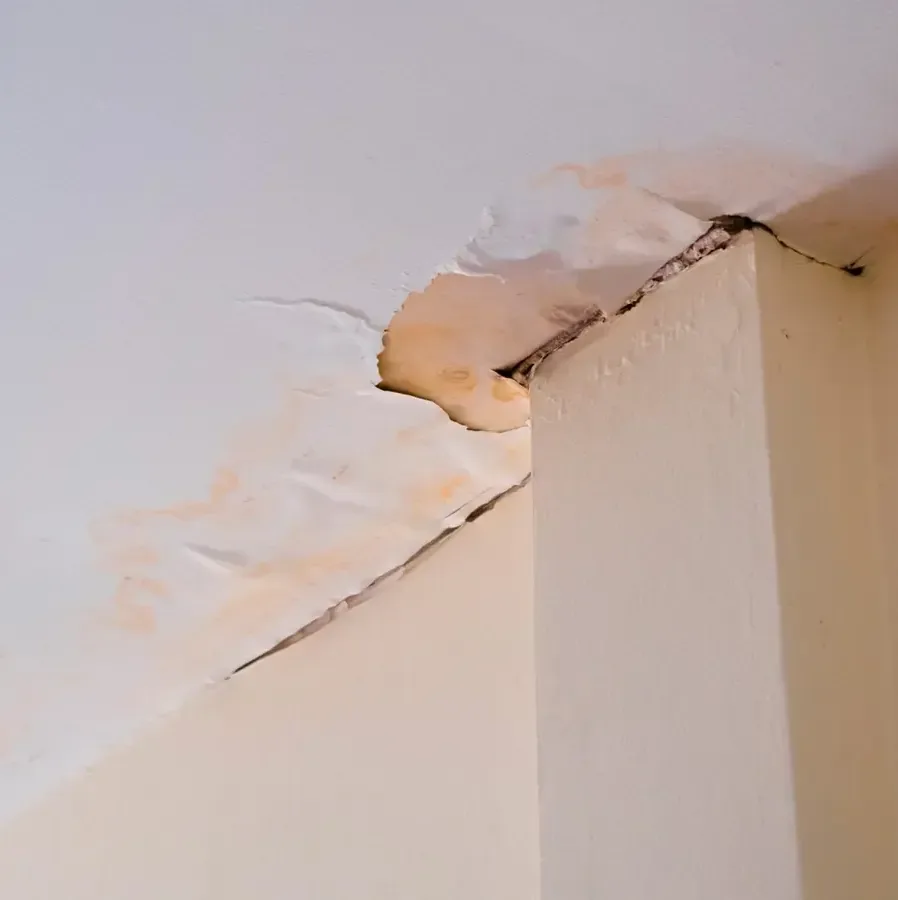 Ceiling Leak Water DamageA stained or sagging ceiling holds water above it, so the wet drywall and joists are opened and dried.Read the service details
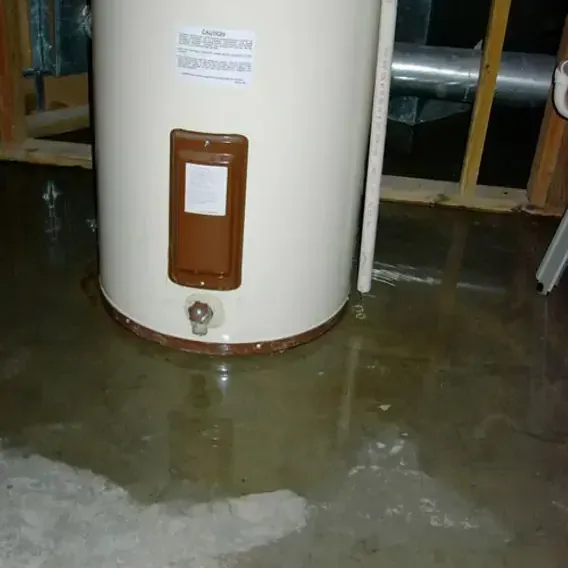 Water Heater Leak CleanupA leaking tank spreads across a garage or closet floor, and the soaked area is extracted and dried.Read the service details
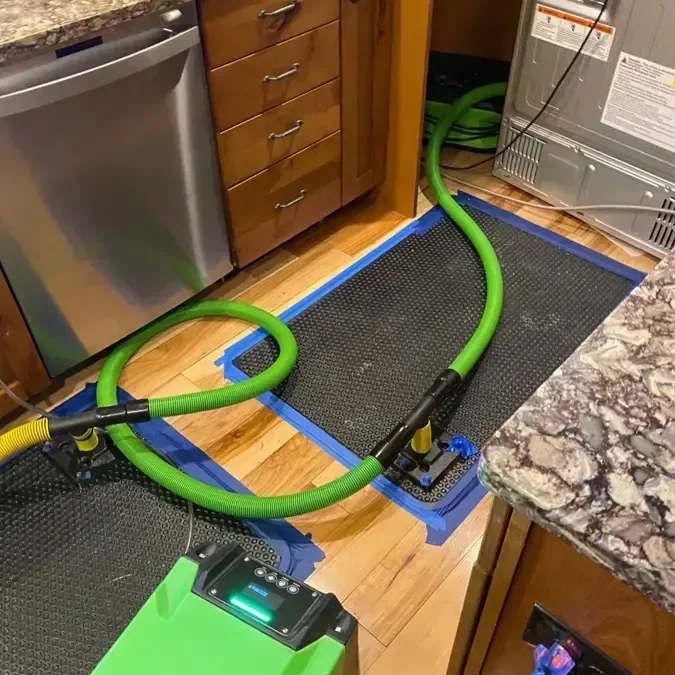 Appliance Leak Water DamageWashers, dishwashers and refrigerators leak into floors and cabinets, so the wet flooring and cabinet bases are dried.Read the service details
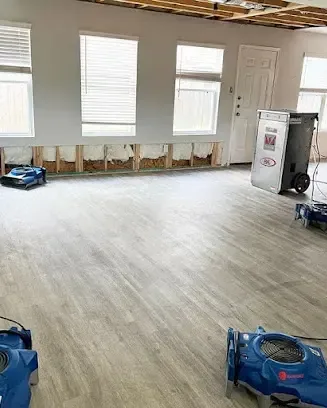
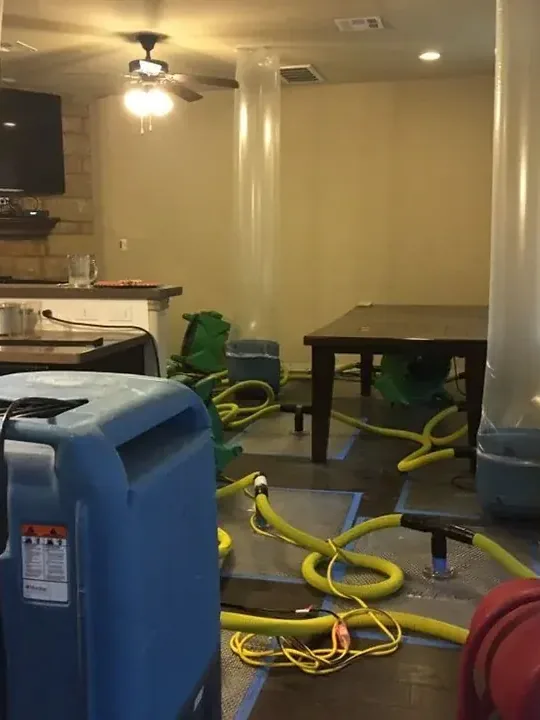
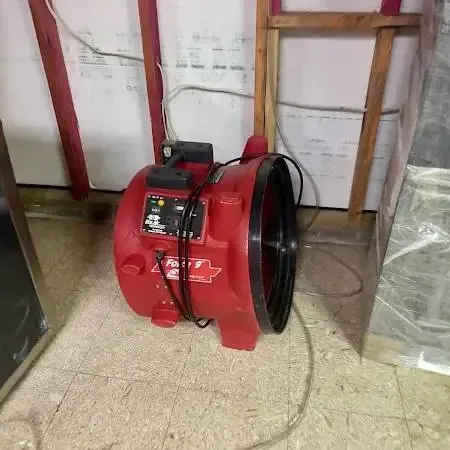
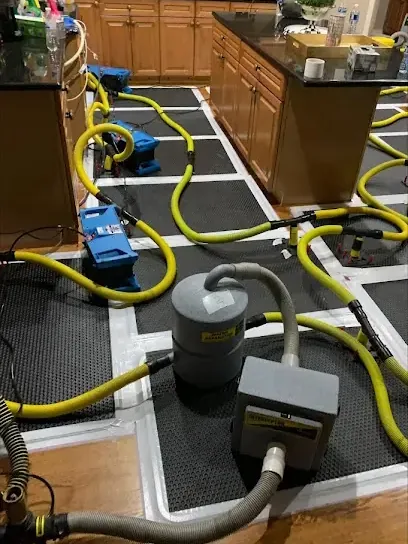 Structural DryingAir movers and dehumidifiers pull moisture from framing, subfloors and drywall until readings return to normal.Read the service details
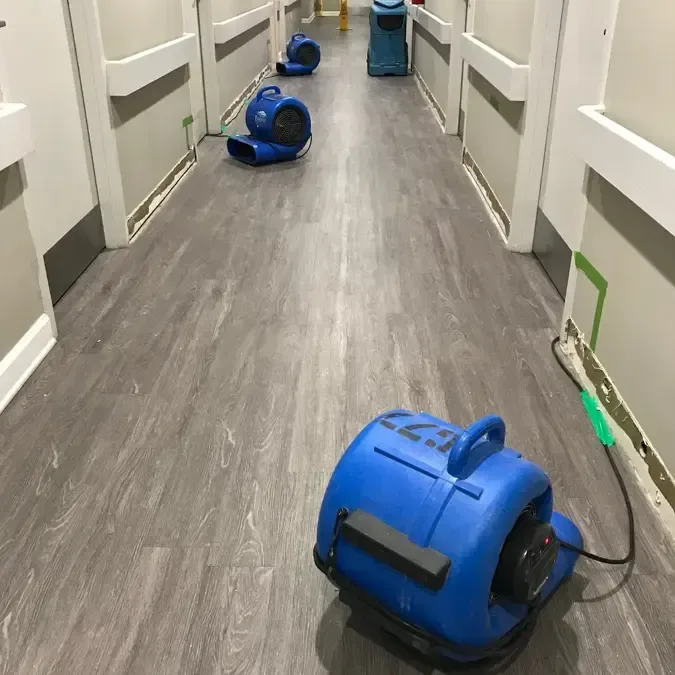 Commercial Water DamageStores, offices and warehouses get drying plans built around keeping the business running and the floors safe.Read the service details
What to do while water is spreading
Stay safe first
Stay out of rooms with standing water near outlets or appliances, and shut off power to a wet area if the panel is dry and easy to reach.
Stop the source
Close the shutoff valve for a leaking pipe, tank or appliance so the flow ends and the damage stops growing.
Lift valuables clear
Small furniture, rugs and electronics go onto dry ground, and wet paper and cardboard get set aside.
Photograph the damage
Wide and close photos of the water, the source and damaged belongings help later with an insurance claim.
Call the drying team
Extraction and drying should begin before wet drywall, padding and framing start to hold moisture for days.
A drying job follows four stages
Whether the loss is a bathroom leak or a flooded shop, the crew moves through the same order: assess, extract, dry, then verify, with notes kept at every stage so nothing is skipped.
Assess and map
Moisture meters and a thermal camera trace how far water traveled inside walls, floors and ceilings before anything is torn out.
Extract the water
Pumps and wands remove standing water and ruined padding first, since extraction does more than any fan can.
Dry the structure
Air movers and dehumidifiers run in a closed system while readings are taken each visit and equipment is moved as areas dry.
Verify and document
Final readings are compared with dry reference points, and the file of photos and logs goes to the owner for any claim.
Equipment and methods used on water losses
Drying that is measured, not assumed
Desert air can look dry while a wall is still wet inside. The drying team uses moisture meters and records readings so the job ends on data, not on how a room feels.
Moisture readings steer the job
Meters check drywall, framing and subfloors at the start and again before any drying equipment is pulled from the home.
Honest scope of work
The plan lists what gets removed, what gets dried and what stays, so surprises stay rare on the invoice.
Right equipment for the room
Air movers, dehumidifiers and extraction tools are matched to the size of the wet area, not set out by habit.
Records for insurance
Photos, readings and daily logs are kept so an adjuster can see what was wet and how it dried.
Where most local water damage starts
Pipes under floors and slabs
A leak under a concrete floor can run for weeks before a damp spot or warm tile gives it away.
Slab leak detailsAppliances and hoses
Rental units and owner homes both see washer hoses, dishwasher supplies and tank leaks spread into neighboring rooms.
Appliance leak detailsSewage and drain backups
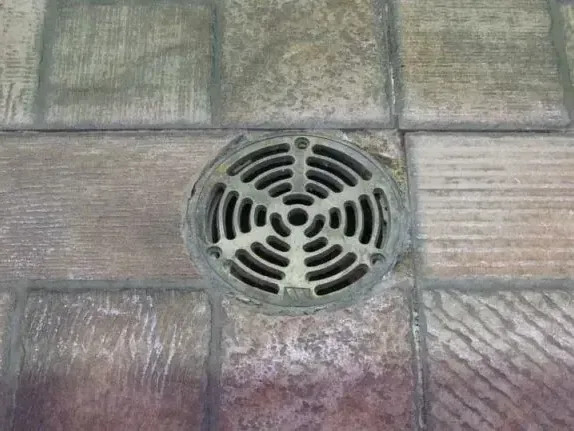
A clogged drain can push contaminated water up through a floor drain or tub, which needs protective cleanup, not a mop.
Sewage backup detailsWhat water damage usually costs in Barstow
Most jobs fall between about $1,200 and $15,000, depending on how many rooms are wet, what the water carried and how long it sat. Clean water caught early sits at the low end.
One room, clean water
- Standing water removed
- Air movers and a dehumidifier
- Moisture readings until dry
Several rooms or wet drywall
- Drywall and padding removal
- Several days of drying
- Photo and reading records
Whole floor or contaminated water
- Large scale extraction
- Sanitizing of affected areas
- Insurance ready documentation
Final cost moves with the water category, the materials involved and the equipment days needed. A written scope with moisture readings shows where the money goes. Coverage can change what a household ends up paying itself.
Working with an insurance adjuster
Many homeowner and renter policies respond to sudden water loss, like a burst pipe, but treat slow seepage differently. The policy wording decides.
- Photos of every wet room and item
- Receipts for emergency work and equipment
- Daily moisture readings and drying logs
- Damaged belongings listed with estimated values
- The date, cause and source of the loss written down
What owners can do first
Tenants should tell the landlord or property manager right away, since the owner usually handles the building policy while a renter policy covers personal belongings.
Owners should report the loss promptly and keep damaged materials until the adjuster has seen them, unless the drying team says they are unsafe to keep.
Serving homes and businesses across Barstow
Homeowners, tenants and property managers can reach the restoration team at any hour about a leak, a backup or a flood.
ZIP codes served
Email works for routine questions, such as sending photos for an adjuster or asking about next steps.
Email for non-urgent questions: [email protected]
Main roads and landmarks
Nearby towns served
How to reach the local restoration team
(888) 774-9605Call the local restoration teamWhat water damage looks like in Barstow
Barstow averages only 4.96 inches of precipitation a year, and nearly 80% of it falls from November through April, so roofs sit dry for long stretches and then take a hard rain.
September 18, 2025 Flood waters covered Main Street at Lenwood Road on a Thursday evening, and city Public Works responded to the flooding in town.
Dry months, then hard rain
Roofs that sit dry through long stretches meet a hard rain all at once, so small gaps at flashing and vents show up as ceiling stains.
Monsoon flash floods
Monsoon storms can strike outside the wet season, and one flash flood closed State Route 247 until further notice, showing how fast desert runoff builds.
Rentals and shared responsibility
With 56.2% of occupied homes rented in 2020, a burst pipe often involves a tenant, an owner and sometimes a property manager at once.
Hard freezes, rarely
Freezes are uncommon, yet the record low of 3 degrees came on January 13, 1963, and January 1949 brought 25 inches of snow, so an exposed pipe can still split.
Indoor leaks in every season
Because rain is rare, standing water inside a home usually traces to a pipe, a tank, an appliance or a sudden storm, so the source matters as much as the cleanup.
Common water damage questions
Need help right now?
Call the drying team any hour for a burst pipe, a backup or flooding, or email routine questions and photos for an adjuster.
(888) 774-9605Reach the drying crewHow long can drywall stay wet before it is ruined?
Wet drywall and padding begin breaking down within a couple of days, and mold can start to grow in that window, so pulling the water out first protects the materials that can still be saved. Drying the cavity matters as much as the surface.
Does Barstow get enough rain to cause flooding?
Annual precipitation is only about 4.96 inches, but February 1998 brought a record 4.22 inches in one month, and monsoon storms can send flash flooding through town in other months. Short, hard storms are enough to leave water inside a building.
What should a tenant do about a leak in a rental?
Tell the landlord or property manager right away, shut off the water if it is safe, and take photos. The building owner's policy and a renter's policy usually cover different things.
How is a leak under a concrete floor found?
The restoration team uses acoustic and moisture detection gear to trace the sound or dampness of a leaking pipe, then a plumber repairs it while the crew dries the floor and slab.
Is sewage backup different from clean water damage?
Yes. Sewage carries bacteria, so porous materials such as carpet and padding are usually removed, surfaces are sanitized, and workers wear protective gear, while clean supply water often lets more materials be saved.
What does flash flood cleanup involve?
Mud and storm water are pumped out, floors and walls are washed, and the structure is dried, with contents sorted into what can be cleaned and what must go, since flood water often carries dirt and bacteria.
Do air movers and dehumidifiers run for days?
Most drying takes several days, though the exact length depends on the materials, the amount of water and moisture readings, which decide when equipment is removed. A dry climate does not shorten that, because the wet material sits inside walls and floors.
Can a business stay open during water damage work?
Often part of it can, because the drying team can section off the wet area, run equipment in that zone and keep the rest of the space usable. Storefronts, offices and warehouses each need a different plan.
What does a frozen pipe do when it thaws?
A pipe that froze and split releases water once the ice melts, often inside a wall, attic or garage, so the damage can appear after the cold has already passed.
Which ZIP codes and neighborhoods does the service area include?
The service area includes ZIP codes 92311 and 92312, plus neighborhoods such as North Barstow, Nebo Center, Lenwood and Skyline North. Crews work in homes, rentals and commercial spaces across those areas.
Water keeps spreading until someone dries it
Call the restoration team now to start extraction and drying while the damage is still limited.
(888) 774-9605Call and begin drying