Flash Flood Cleanup in Apple Valley, CA
Storm water arrives with mud, debris and contaminants, so the crew pumps it out, removes what it soaked and sanitizes before drying begins in garages, entries and ground-floor rooms.
(888) 774-9605Call about storm water in your home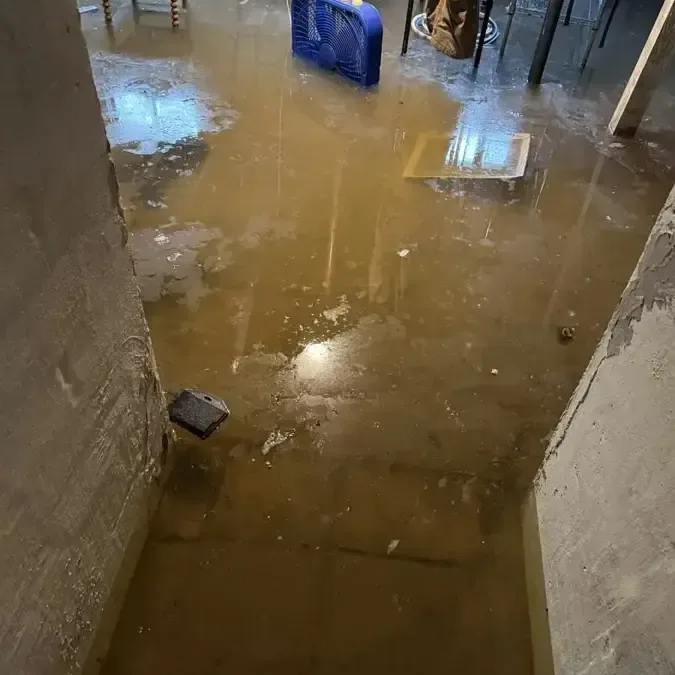
What a proper flash flood cleanup job includes
Dispatch at any hour
Active water is treated as urgent around the clock, weekends and holidays included, because every hour it sits adds to the tear-out.
Dried to IICRC S500
Equipment is sized to the class of loss and stays until readings sit within 2 to 4 points of a dry reference.
A claim file from day one
Moisture maps, daily psychrometric logs and timestamped photos before demolition go straight into the file.
Desert construction know-how
Slab floors, stucco walls, tile roofs and attic plumbing each hide water differently, and the walkthrough checks every one.
What to do about flash flood cleanup right now
These moves are safe for most households and keep the damage from growing before the crew gets there.
Stay out of the water
Flood water can hide debris and electrical hazards.
Cut power only if safe
Use a dry breaker box, never while standing in water.
Photograph everything
Capture the waterline and the damaged belongings before cleanup begins.
Call the crew
Say how deep the water got and which rooms it reached.
What does flash flood cleanup cost in Apple Valley, CA?
Storm water jobs cost more than clean leaks because of the mud, the removal and the sanitizing. A garage or one room runs $2,500 to $6,000, several rooms $6,000 to $15,000, and a whole ground floor $15,000 to $35,000 or more.
Garage or one room
- Water and mud removal
- Floor washing
- Basic drying
Several rooms
- Carpet and pad disposal
- Drywall cut to waterline
- Sanitizing
Whole ground floor
- Full-floor extraction
- Heavy debris hauling
- Extended drying
What goes into the claim file
The file holds a moisture map, daily psychrometric logs, timestamped photos taken before demolition, the water category and class of loss and a line-item scope. Sudden and accidental water is often treated differently from slow leaks and outside flood water, so check your own policy; the California Department of Insurance explains how to raise a claim question, and Ready.gov flood safety covers prevention. Ranges are typical, not a quote; the water damage cost calculator gives a closer number.
How the flash flood cleanup job runs, step by step
Pump it out
Storm water is removed from every level.
Clear the mud
Debris and soaked materials are hauled away.
Sanitize
Surfaces are washed and treated.
Dry and record
Readings confirm the dry standard.
Flash Flood Cleanup: causes, drying and the claim
The August 2023 Tropical Storm Hilary flooded parts of the Victor Valley, including Apple Valley, and sheriff's officials said many intersections were flooded and road edges were compromised by swift flowing water. February, the wettest month, typically brings only about 1.2 inches of rain, so a sudden downpour is a different kind of event for local homes. The cleanup that follows has more in common with a contamination job than with a leaking pipe.
Why storm water is different
Flood water is not clean water, even when it started as rain.
- It carries mud, silt and debris into the house
- It can mix with contaminants picked up along the way
- It soaks carpet, pad and lower drywall in one pass
- It leaves a film that has to be cleaned, not just dried
How the cleanup goes
Water extraction with pumps and the truck-mounted unit removes the water first. Crews then shovel and vacuum the mud, bag soaked carpet and padding, and cut drywall back above the waterline. Hard surfaces are washed and treated before drying starts, because drying dirty surfaces locks the film in. Moisture meters then map what is left in the framing and the slab or subfloor.
Desert storm runoff and silt treated as Category 3, removed and the structure dried.
(888) 774-9605Call about storm water in your homeDrainage and the changed ground
The former Apple Valley Dry Lake is now mostly indistinguishable from the subdivided grid of the town, and land use researchers note that roadbeds and culverts have altered drainage along the Mojave River valleys. In plain terms, water does not always travel where older maps suggest, which is why the crew checks where it actually went in each house.
- Garage floors and entry thresholds checked first
- Carpet and pad lifted when soaked
- Drywall cut to the waterline
Cleanup before drying
Drying only starts once the mud and contamination are gone. After that, structural drying begins and air movers and dehumidifiers pull moisture from framing and flooring, and the readings are logged for the claim. Flood coverage often differs from regular homeowners coverage, so the policy is worth reading early.
Flash flood cleanup across Apple Valley and nearby communities
One dispatch covers the streets listed here and the towns around them, at any hour.
Flood cleanup covers garages, entries and ground floors in ZIP codes 92307 and 92308, from the Mojave River edge and the former Apple Valley Dry Lake grid to the foothills.
The same service nearby: flash flood cleanup in Adelanto, Victorville, Hesperia.
Water damage restoration in Apple Valley · every town covered
Flash Flood Cleanup: questions homeowners ask
Still dealing with it?
Storm water in the garage or on the floor? Describe how deep it got and the crew explains the first steps.
(888) 774-9605Talk to the response teamIs flood water covered by regular homeowners insurance?
Often not. Many policies exclude rising or surface water and need separate flood coverage, so reading the policy early matters. The crew keeps photos and readings either way.
Why does flood water need sanitizing?
It picks up dirt and contaminants as it moves, and it leaves a film on floors and framing. Cleaning that film before drying prevents odors and lingering problems.
Can wet carpet be saved after a flood?
Rarely. Flood water soaks the pad and the backing, and carpet that sat in storm water is usually removed. Hard flooring has better odds once it is washed and dried.
What is checked inside the walls?
Moisture meters and thermal imaging look for trapped water behind drywall near the waterline. Wet sections are cut out, and the rest of the wall is left standing.
Should the power stay on in a flooded room?
Not if water has reached outlets or the panel. Switch off power only from a dry location, and let a qualified electrician check wet circuits before they are used again.
Storm water and mud keep soaking in while they sit
Mud and flood water settle into carpet, drywall and flooring. Call the restoration team and the pumping, mud removal and sanitizing plan starts with what the water reached.
(888) 774-9605Apple Valley flood cleanup help