Water Damage Restoration Hesperia, CA
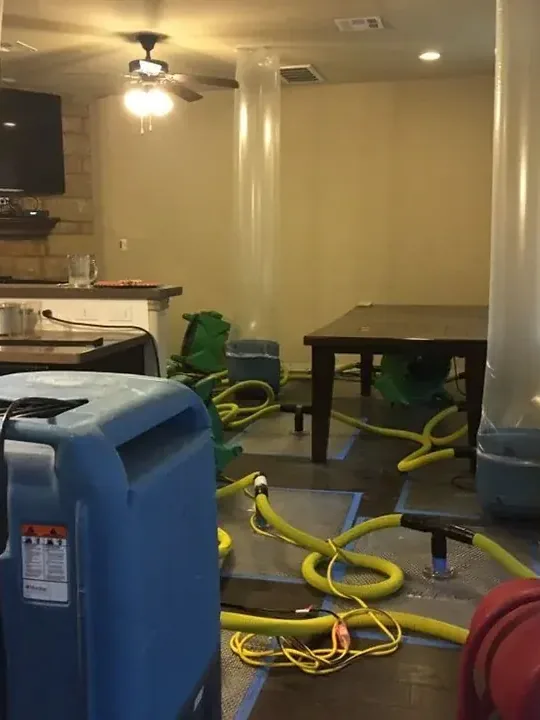
When a pipe splits or a storm pushes water indoors, the restoration team extracts the standing water, opens wet walls and dries the structure until moisture readings come back to normal.
(888) 774-9605Call now for water damage helpWater extraction, burst pipes, sewage backups and flash floods are handled across Hesperia's streets, from Ranchero Road to Cottonwood Avenue.
Water and sewage problems the crew handles
Every service below covers water or sewage only, from a single leaking appliance to a flooded ground floor, and each one starts with finding where the moisture went.
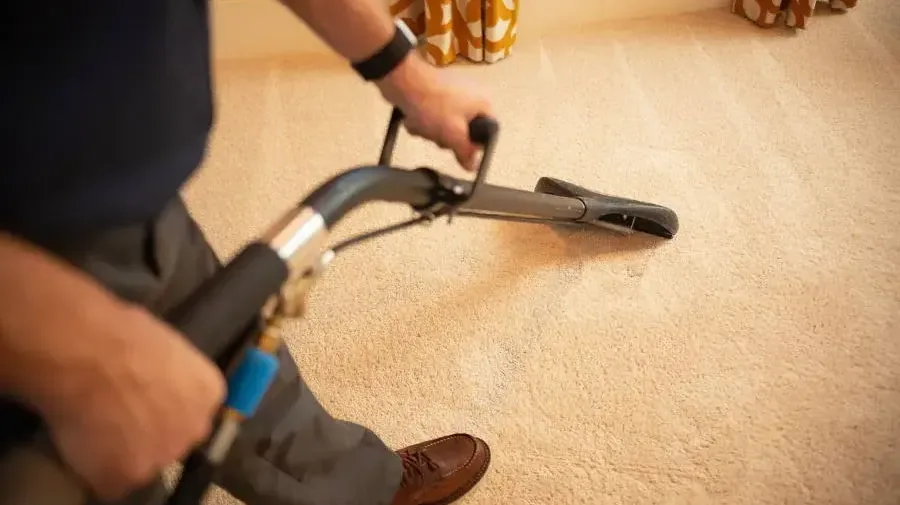
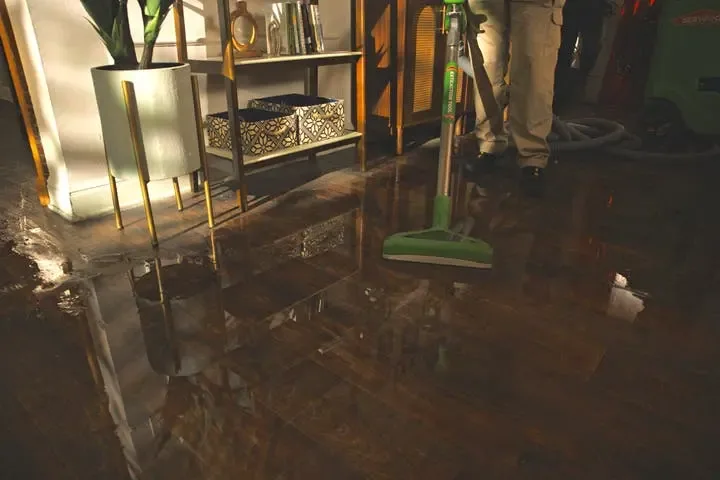 Water ExtractionExtraction wands and pumps pull standing water off floors and carpet before it soaks the subfloor and wall bottoms.Read the service details
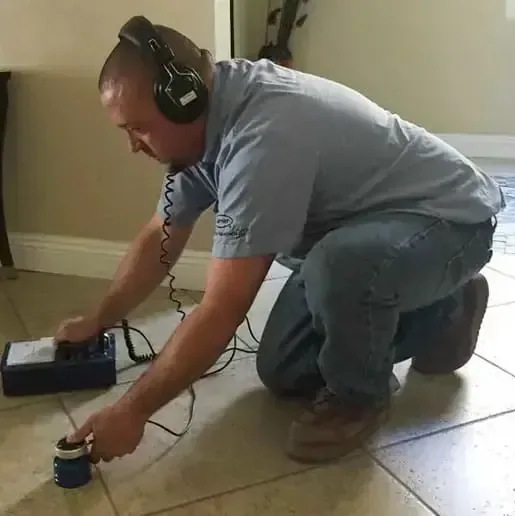 Slab Leak Water DamageMoisture mapping traces a hidden leak under the concrete, then the flooring comes up and the slab is dried.Read the service details
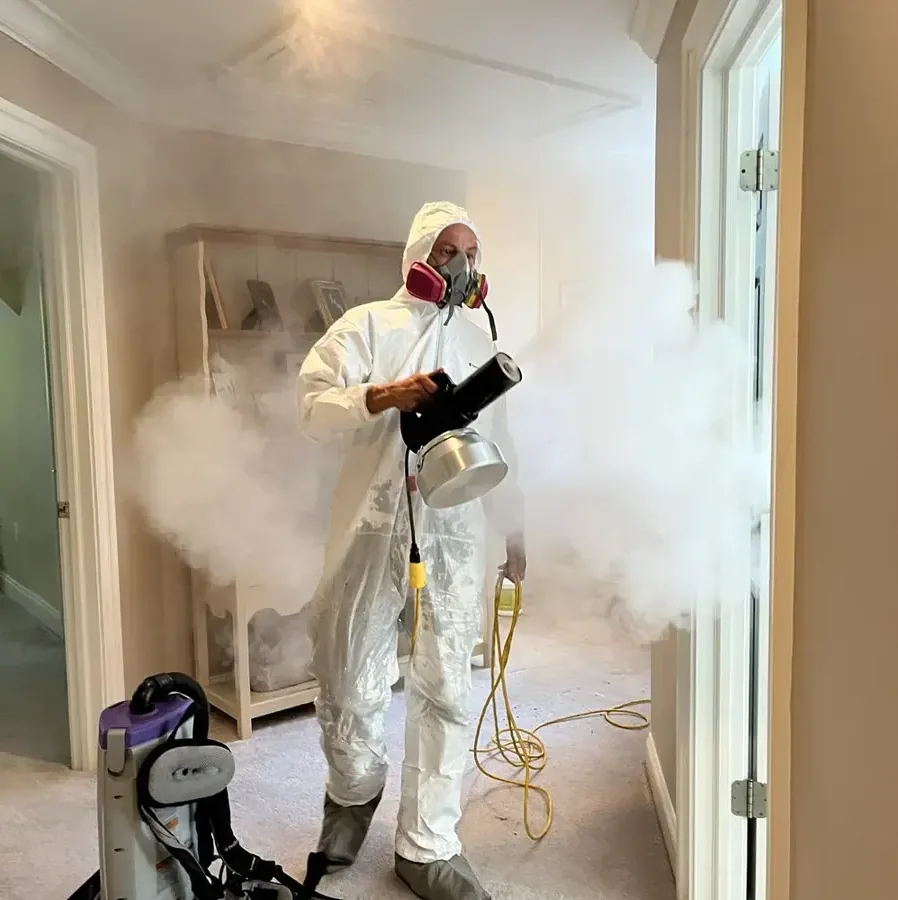 Sewage Backup CleanupA drain backup brings contaminated water indoors, so soaked materials come out and surfaces are cleaned and sanitized.Read the service details
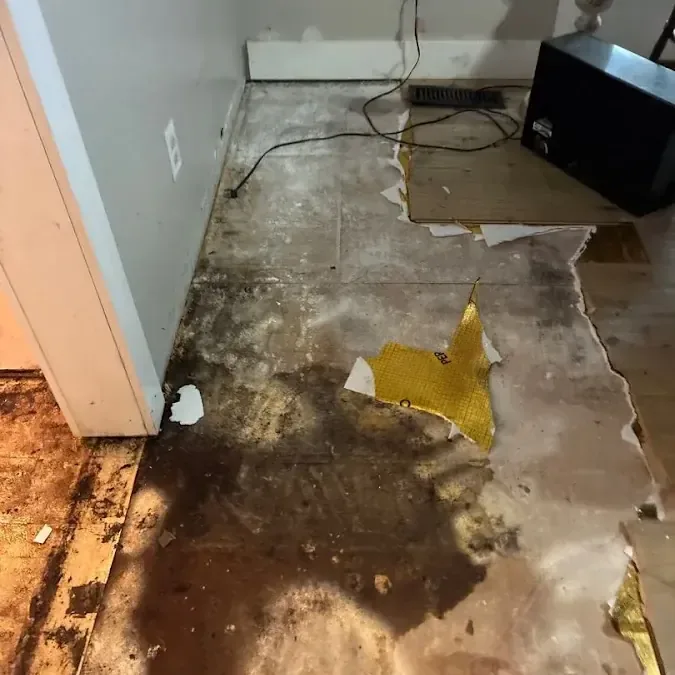 Burst Pipe Water DamageA split pipe can soak several rooms quickly. Shutoff comes first, then extraction and drying of walls.Read the service details
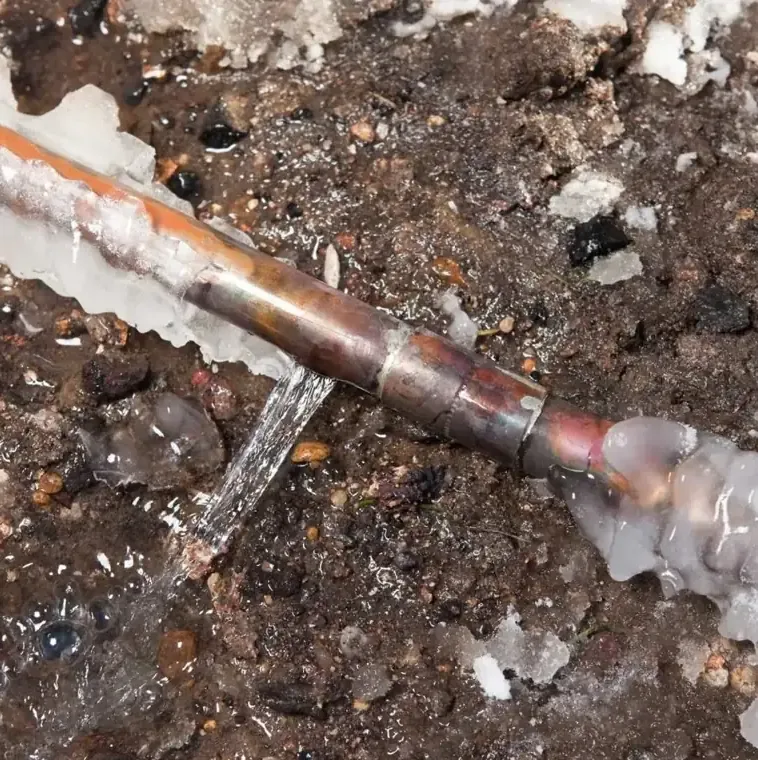 Frozen Pipe Water DamageCold nights can split an exposed pipe, and the damage shows when the thaw floods a wall or ceiling.Read the service details
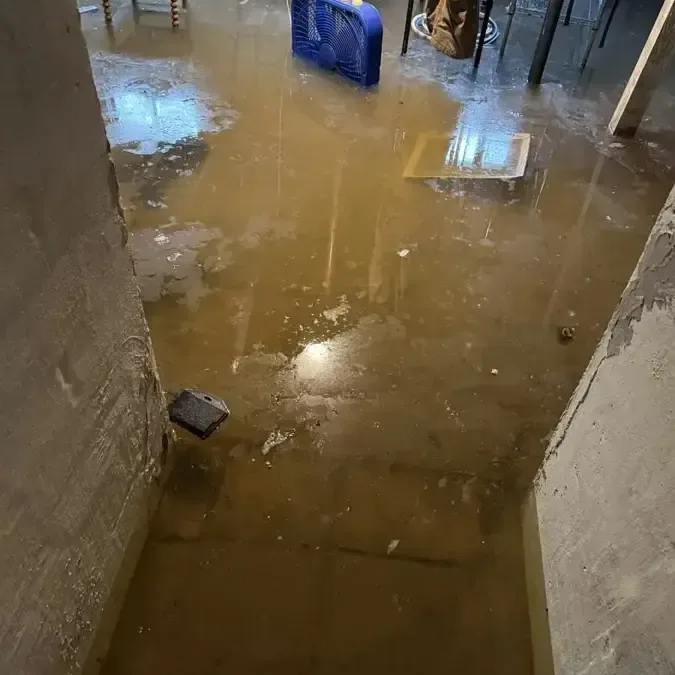 Flash Flood CleanupMonsoon storms and rare heavy rain can push muddy water through doors and garages, water that needs pumping and cleaning.Read the service details
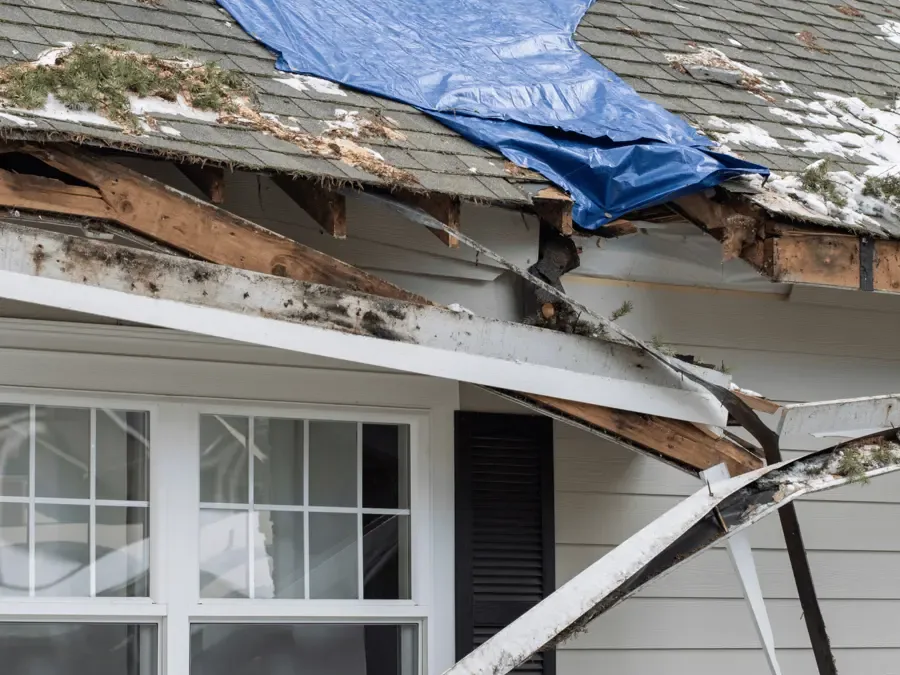
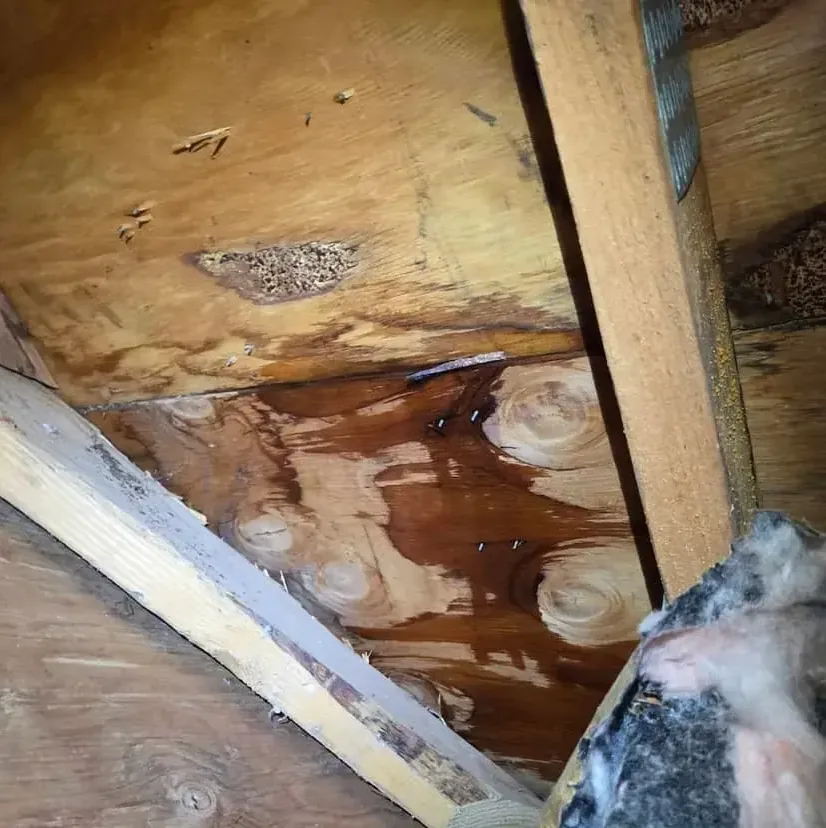 Roof Leak Water DamageRain finds a weak spot in the roof and wets the attic and ceiling below, which then need drying.Read the service details
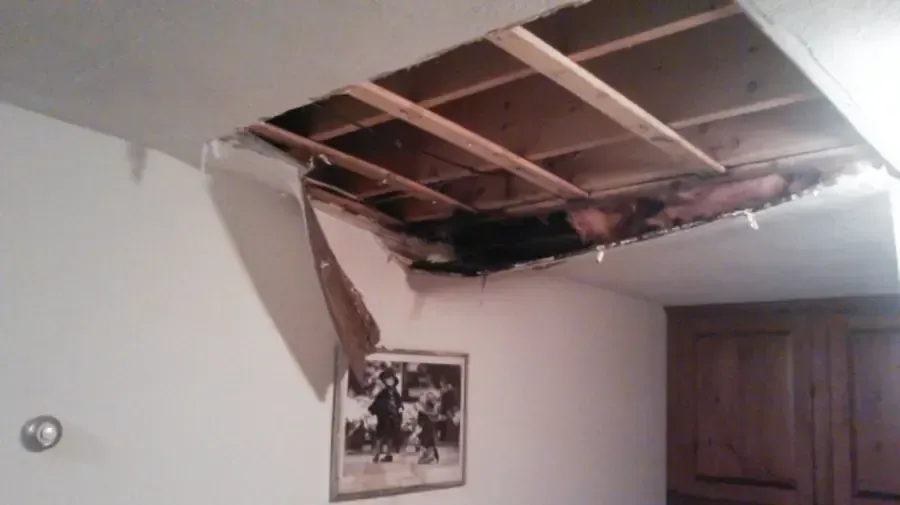
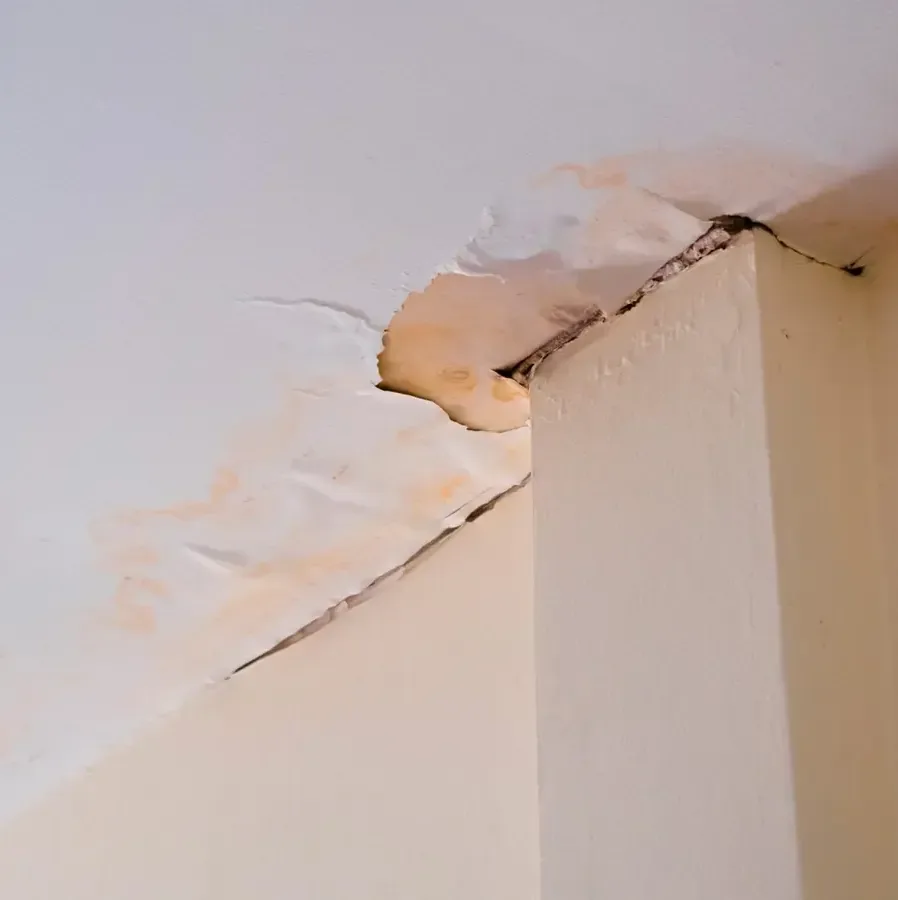 Ceiling Leak Water DamageStained, sagging or dripping drywall means water is collecting above, so the wet ceiling is opened and dried.Read the service details
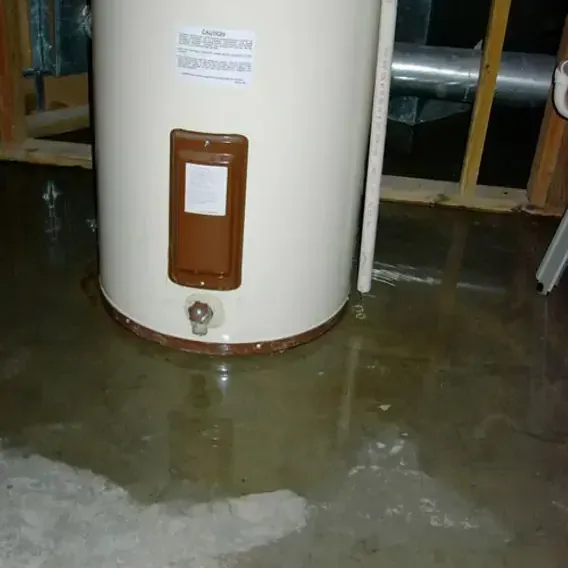 Water Heater Leak CleanupA failed tank floods the closet or garage, and cleanup means pulling the water and drying the floor.Read the service details
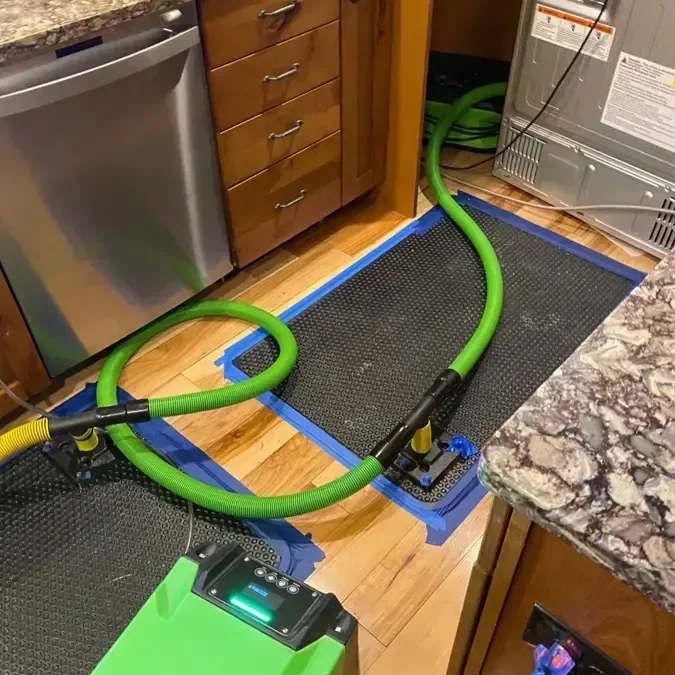 Appliance Leak Water DamageWashing machines, dishwashers and ice makers leak behind and beneath themselves, soaking floors and cabinets before anyone notices.Read the service details
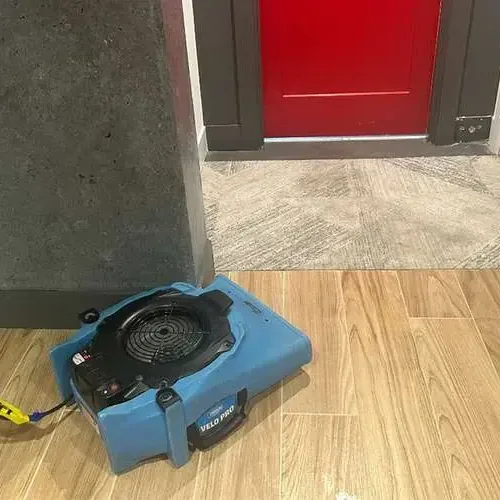
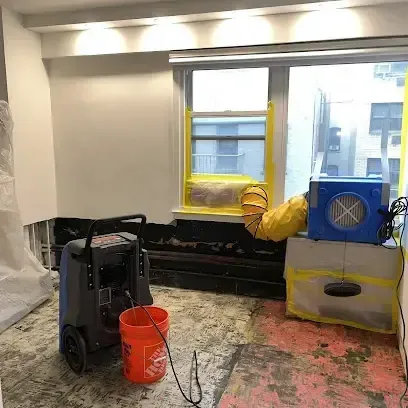
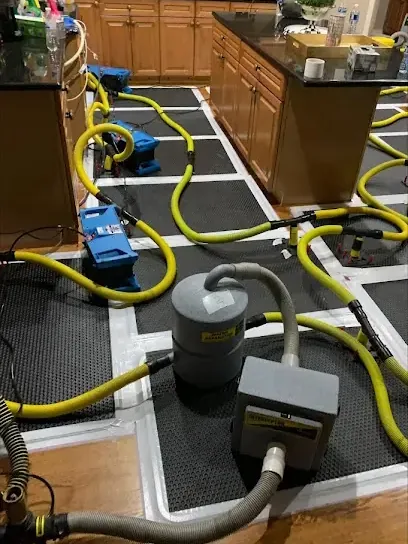 Structural DryingAir movers and dehumidifiers dry the framing, subfloor and drywall until meter readings match dry reference levels.Read the service details
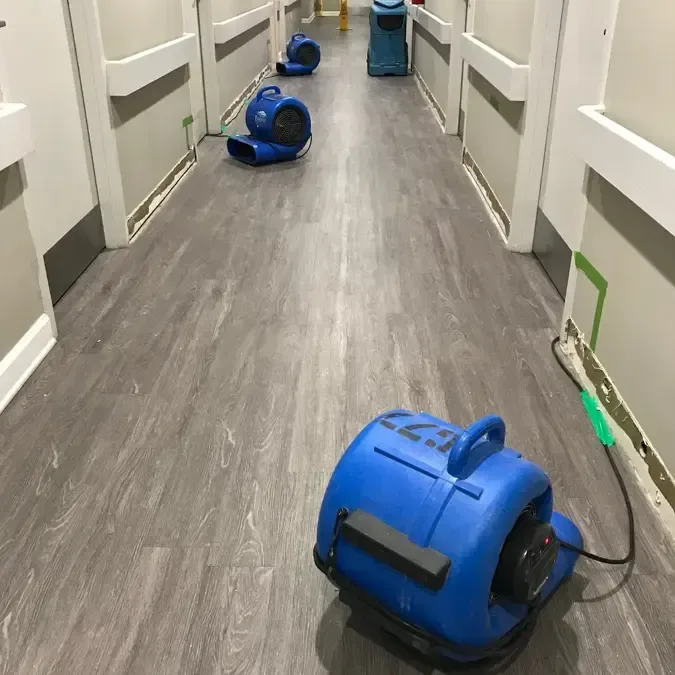 Commercial Water DamageShops, offices and school buildings get a staged plan that removes water and dries each area.Read the service details
What to do while the water is still spreading
Stop the source
Close the main shutoff valve. The City says that if the leak stops once the house valve is closed, the leak is inside the house.
Cut power to wet areas
Turn off breakers for soaked rooms and stay clear of sagging ceilings. Standing water and electricity do not mix.
Lift what you can
Pull up small rugs, move furniture to dry ground and lift wet items off the floor so they stop absorbing water.
Photograph everything
Take photos and short video of the source, the wet surfaces and damaged belongings before anything is moved or thrown out.
Call for extraction
Call now so the water comes out and drying begins before lingering dampness spreads into the framing and drywall.
A dry reference decides when drying is finished
Drying is not finished when surfaces feel dry. The restoration team compares readings in the framing, subfloor and drywall against an unaffected area before any equipment is taken down.
Inspect and map
A thermal camera and moisture meters follow the water through floors, walls and ceilings, so the full footprint is known before work begins.
Extract and remove
Standing water is pumped out first, then soaked padding, baseboard and drywall that cannot be saved are cut away and bagged.
Dry the structure
Air movers and dehumidifiers run on a layout set from the readings, and the equipment is repositioned as the wet areas shrink.
Confirm and document
Final readings are logged beside the starting ones, and the paperwork goes to the owner for the claim.
What water damage restoration looks like on the job
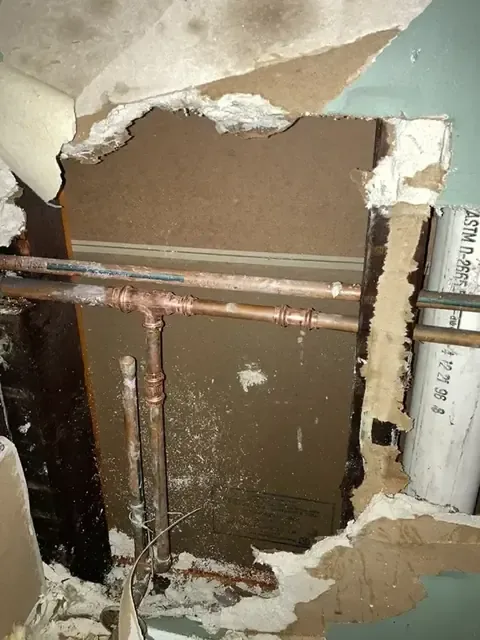
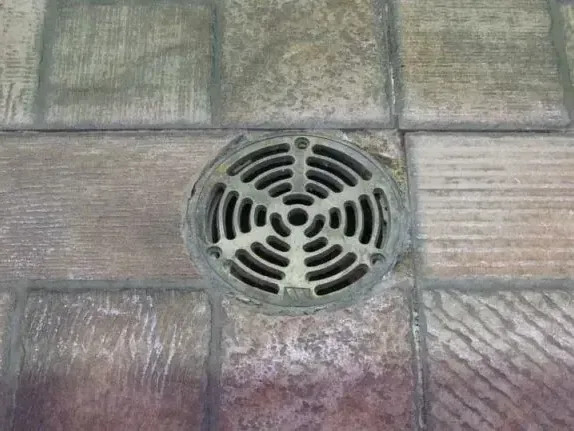
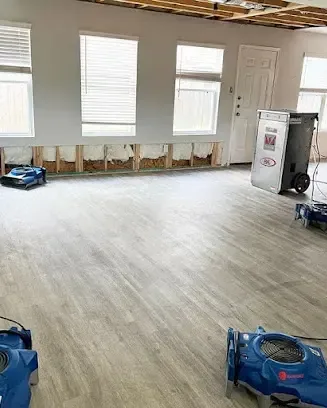
A drying plan built on readings, not guesses
Water damage in the High Desert often comes from a pipe or appliance, not the sky. The response team treats each call as a plumbing, appliance or storm problem and looks for moisture first.
Moisture readings first
Readings show where the water traveled, so drying targets the wet materials rather than guesswork, and nothing damp is left behind.
Water and sewage only
The work stays focused on water and sewage losses, so the equipment, products and steps all fit the problem.
Daily drying checks
Readings are retaken as the job runs, and equipment comes down only once the structure matches a dry reference.
Records for the claim
Photos, moisture logs and an itemized invoice are kept so the homeowner policy claim has clear paperwork behind it.
Where water trouble usually starts
Hidden leaks under the floor
A warm tile spot, a meter that keeps moving or a musty smell can signal a leak under the concrete.
Slab leak helpLeaks from household appliances
Washers, dishwashers and ice makers fail slowly, and the damp builds behind cabinets before a stain appears.
Appliance leak helpSewage backing up a drain
A backup that reaches the floor is contaminated water, which calls for protective gear, removal and sanitizing.
Sewage cleanup helpWhat water damage restoration usually costs here
Cost depends on how far the water spread, what it soaked and how long it sat. A small, early job costs far less than a wet structure that went untreated for days.
One room, caught early
- Standing water pulled out
- Air movers and a dehumidifier
- Daily moisture readings
Several rooms affected
- Wet drywall and baseboards removed
- Several days of drying
- Floor and subfloor treatment
Large or contaminated loss
- Sewage or storm water removal
- Cleaning and sanitizing
- Extended structural drying
These ranges are typical for the work described and are not a quote. An adjuster, the policy terms and what the moisture readings show can all move the final figure.
Getting the paperwork right
A water claim goes smoother when the damage is documented from the very start. The restoration team records conditions before, during and after drying.
- Dated photos of the source and damage
- Moisture readings taken in every affected room
- Itemized equipment and labor invoice
- A written scope of the drying work performed
- A list of removed materials for the adjuster to check
What the homeowner can do
Report the loss to the carrier promptly, keep damaged items until the adjuster has seen them, and save receipts for any emergency purchases such as fans or tarps.
Policy terms differ on sudden leaks versus long running seepage, so reading the policy or asking the agent early avoids surprises later on.
Where the crew works around Hesperia
The response team covers the whole city, from quiet residential streets to the commercial stretches of Main Street, Bear Valley Road and Ranchero Road.
ZIP codes served
Tell the team what happened, and extraction, drying and cleanup are planned in the order the building needs.
Email for non-urgent questions: [email protected]
Main roads covered
Nearby towns
Water damage in any part of town? Reach out right away
(888) 774-9605Talk to the drying team nowWhat puts Hesperia homes at risk
Hesperia officially averages 6.19 inches of precipitation a year, yet water damage still turns up through plumbing failures, monsoon storms and the odd heavy winter rain that finds a weak spot.
December 2025 During the Christmas week storms, muddy floodwater ran along Bear Valley Road at Cottonwood Avenue in Hesperia, and no injuries were reported.
Monsoon flash floods
Sporadic late summer monsoon thunderstorms can bring power outages and local flash floods. When that happens, muddy water can push into garages and doorways, and it carries silt that must be cleaned out along with the water.
The Mojave River bed
The Mojave River bed is usually dry, with its flow mostly underground, but it fills after a rare heavy rain, a reminder that storm water can turn up where no one expects it.
Cold winter nights
December and January lows average around freezing, and snow falls sporadically, so exposed pipes on outer walls and in garages can freeze and split.
Hot, dry summers
Summer highs typically approach 100 degrees, and that heat can hide a slow leak because surfaces dry while the framing behind them stays wet.
Wet winter weather
Mountain ranges to the south and west shield the town from most winter rain, but heavy rain is not uncommon, and the Christmas week storms showed how a wet spell can test a roof.
Questions about water damage
Need help with water now?
If water is spreading, calling early limits what gets soaked. The response team can talk through next steps and plan the extraction.
(888) 774-9605Call now, any hourWhat should a Hesperia homeowner do first after a leak?
Shut the water off at the house valve, switch off power to wet areas and photograph the damage. Then call for extraction so the water comes out before it soaks into the subfloor and walls.
How can a homeowner tell if the leak is inside the house?
The City of Hesperia suggests closing the house shutoff valve. If the leak stops, it is inside the house, and if it keeps going, the leak is between the meter and the house or in the irrigation system.
Does a dry riverbed mean flooding is not a concern?
Not necessarily. The Mojave River bed stays dry most of the time, yet it fills after a rare heavy rain, and the City of Hesperia says flood waters can be swift, powerful and at times deadly.
Where can residents get sandbags before a storm?
Sandbags are available at the City Hall front lobby, the Public Works Yard front office and Fire Stations 302, 304 and 305, with 25 sandbags per household. They help divert water at a door, but once it gets inside, extraction still has to follow.
Can a sewage backup be cleaned like ordinary water damage?
No. Sewage is contaminated water, so the crew wears protective gear, removes porous materials it has touched and sanitizes what remains. Ordinary clean water cleanup does not call for that.
Which water problems does the team handle?
Water and sewage losses only: extraction, slab leaks, burst and frozen pipes, flash floods, roof and ceiling leaks, water heaters, appliances, structural drying and commercial properties.
How does the team know when drying is complete?
Moisture readings are taken in the wet materials and compared with an unaffected reference area. Equipment stays until the readings match, because drying follows the moisture in the structure and not the weather.
What if a ceiling is stained but not dripping?
A stain means water reached the drywall, and it may still be spreading above. The team opens the ceiling, traces the moisture and dries the cavity before paint or patching covers a problem.
Does the work cover shops and offices?
Yes. Commercial water damage along Main Street, Bear Valley Road and Ranchero Road gets a staged plan so one wet unit does not shut down the whole building, from retail suites to school and government buildings.
Is it too late if the water sat for a few days?
Not always. Wet materials can often still be dried, though damp drywall and padding sometimes have to come out, and the sooner extraction starts, the more can be kept, because lingering dampness invites mold.
Water where it should not be? Get the drying started
The restoration team extracts, dries and documents the loss so the home can be put back together properly.
(888) 774-9605Call for help now