Flash Flood Cleanup in Adelanto, CA
A desert cloudburst sheds water off hard ground fast, and the runoff pushes under doors, into garages and across slab floors. The restoration team treats it as contaminated, clears the silt and dries the structure.
(888) 774-9605Clear the runoff and silt out of the house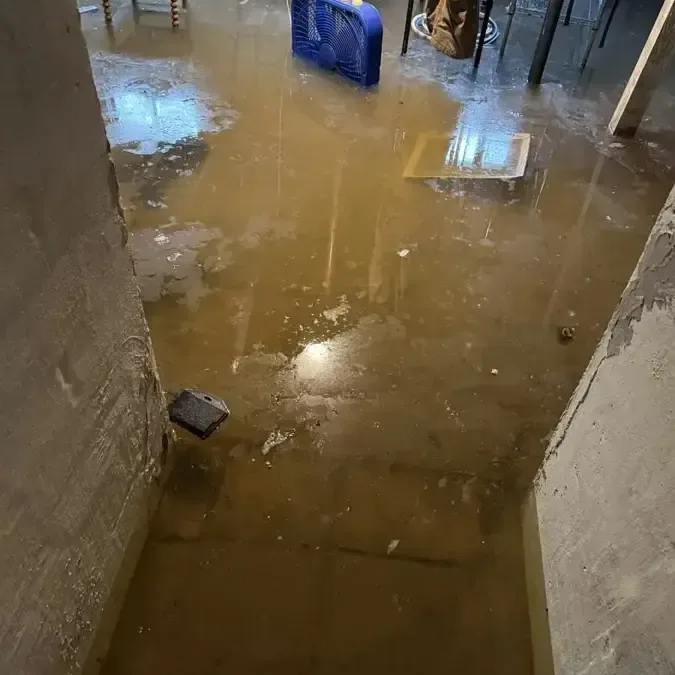
What a proper flash flood cleanup job includes
Dispatch at any hour
Active water is treated as urgent around the clock, weekends and holidays included, because every hour it sits adds to the tear-out.
Dried to IICRC S500
Equipment is sized to the class of loss and stays until readings sit within 2 to 4 points of a dry reference.
A claim file from day one
Moisture maps, daily psychrometric logs and timestamped photos before demolition go straight into the file.
Desert construction know-how
Slab floors, stucco walls, tile roofs and attic plumbing each hide water differently, and the walkthrough checks every one.
What to do about flash flood cleanup right now
These moves are safe for most households and keep the damage from growing before the crew gets there.
Stay out of the water
Flood water can hide live wiring and contamination.
Cut power safely
Shut the main breaker only if you can reach it dry.
Photograph everything
Record water height and damage before cleanup.
Leave the silt
Do not hose silt into floor drains or walls.
What does flash flood cleanup cost in Adelanto, CA?
Flash flood cleanup typically runs $2,500 to $35,000 or more. Cost depends on how much of the floor the runoff covered, how much silt came in, how high it wicked into walls and how much porous material has to come out before drying.
Garage or one room
- Silt and water removal
- Lower drywall cut
- Antimicrobial
Several rooms
- Flooring and pad out
- Flood cuts on walls
- Structural drying
Whole ground floor
- Full flood cut
- Cabinets and contents
- Extended drying
What goes into the claim file
The file holds a moisture map, daily psychrometric logs, timestamped photos taken before demolition, the water category and class of loss and a line-item scope. Sudden and accidental water is often treated differently from slow leaks and outside flood water, so check your own policy; the California Department of Insurance explains how to raise a claim question, and Ready.gov flood safety covers prevention. Ranges are typical, not a quote; the water damage cost calculator gives a closer number.
How the flash flood cleanup job runs, step by step
Secure
Check power, gas and structure first.
Remove
Extract water, shovel and vacuum silt.
Clean and treat
Antimicrobial on every hard surface.
Dry and verify
Dry to readings, then document.
Flash Flood Cleanup: causes, drying and the claim
Most of the year the desert is dry, then a summer thunderstorm or a rare tropical system dumps more rain than hard, sun-baked ground can soak up. In August 2023, Tropical Storm Hilary became the first tropical storm to hit California in more than 80 years and soaked the region from the coast to the desert. Runoff from storms like that carries soil, silt and whatever it crossed on the way in.
Why flood water is Category 3
Water that comes from outside has run over yards, streets and drainage paths before it reaches a home. Under the IICRC S500 standard it is Category 3 from the start, the same as sewage, so porous materials it soaked are removed rather than dried.
- Carpet, pad and lower drywall that the water touched come out
- Silt is shoveled and extracted from slab floors and garages
- Hard surfaces are cleaned and treated with an EPA-registered antimicrobial
- Drying starts only after cleaning is done
Where runoff gets in
Water follows the grade. Homes on lots that slope toward the house, garages with doors facing the street and patios that drain toward a slider take the first water. Block walls and stucco can wick water up from wet soil, so the walkthrough checks wall bottoms inside and out.
Desert storm runoff and silt treated as Category 3, removed and the structure dried.
(888) 774-9605Clear the runoff and silt out of the houseStorm water through the roof is different
Flash flooding is water coming in at ground level. Wind-driven rain coming through the roof or around a roof-mounted cooler is a different problem with a different fix, covered on the roof leak water damage page. Both can happen in the same storm, and the claim file records each separately.
- Ground-level flood: Category 3, removal, disinfection
- Roof leak: usually Category 1 or 2, ceiling and attic drying
Insurance after a flash flood
Standard homeowners policies usually exclude flood water from outside; flood coverage is often a separate policy. The claim file still matters: moisture map, photos before demolition, category and class and a line-item scope. Check your own policy, and see sewage backup cleanup for how contaminated water is handled indoors.
Flash flood cleanup across Adelanto and the Victor Valley
One dispatch covers the streets listed here and the towns around them, at any hour.
Coverage runs across ZIP 92301, from the Highway 18 subdivisions and the southern tract neighborhoods to Air Expressway, Bartlett Avenue, the U.S. Highway 395 corridor and the rural lots toward El Mirage.
Nearby coverage reaches Victorville, Apple Valley, Hesperia, Phelan, El Mirage, Spring Valley Lake, Lucerne Valley, Barstow.
Flash Flood Cleanup: questions homeowners ask
Still dealing with it?
Runoff came in with the storm? The restoration team clears it 24/7.
(888) 774-9605Get a flood crew for the silt and waterIs flash flood water always Category 3?
Yes. Runoff from outside crosses soil, streets and drainage paths, so the IICRC S500 standard treats it as Category 3 from the start.
Can drywall be saved after a flash flood?
Drywall the flood water touched is cut out, usually a foot or two above the water line, because it absorbed contaminated water. Drywall above that point is metered and can often stay.
Does homeowners insurance cover flash flood damage?
Usually not. Outside flood water is commonly excluded from standard policies and covered by separate flood insurance. Check your own policy.
How long does flash flood cleanup take?
Removal and cleaning often take one to two days, then drying runs four to seven days depending on how far the water went and the materials involved.
Why is the silt such a problem in flash flood cleanup?
Silt holds water and contamination against floors and walls. It has to be removed before the structure can be cleaned, treated and dried.
Can a garage be cleaned out after flash flooding?
Yes. Garages take water first. The crew removes silt and wet contents, cleans the slab and treats and dries the lower walls.
Storm water in the garage or living room? Get the silt out and the walls dried.
Desert runoff carries silt and bacteria into slab floors and walls. The crew removes it, treats every surface and dries to readings.
(888) 774-9605Send a crew for the flood water