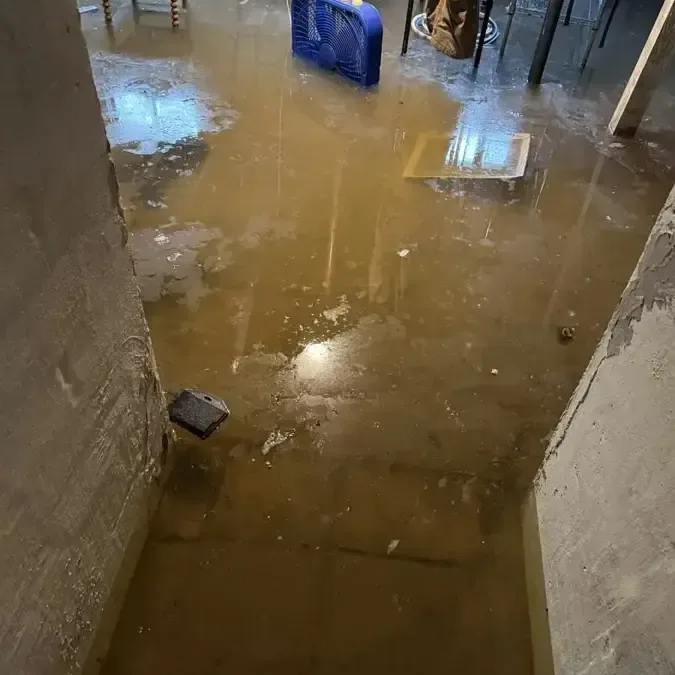
The City of Hesperia says flooding is rare in the High Desert, but flood waters can be swift and powerful. When street water does reach a house, it is muddy and contaminated, and it needs a different cleanup than a leaking pipe.
Key takeaways
- The City says flood waters can be swift, powerful and at times deadly, even though flooding is rare in the High Desert.
- Sporadic late summer monsoon thunderstorms can bring power outages and local flash floods.
- During the Christmas week storms of December 2025, muddy floodwater ran along Bear Valley Road at Cottonwood Avenue, and no injuries were reported.
- Sandbags are available at City Hall, the Public Works Yard and three fire stations, with 25 sandbags per household.
- Muddy street water is Category 3, so silt, porous materials and hard surfaces are handled in a set order.
Rare, but fast
Flooding is uncommon in the High Desert, according to the City of Hesperia, yet the City warns that flood waters can be swift, powerful and at times deadly. The city officially averages 6.19 inches of precipitation a year, so a dry week gives no hint of what one storm can do.
Late summer monsoon thunderstorms are one source. They are sporadic, and they can knock out power and send local flash floods through streets and yards.
The Mojave River bed on the east side of the city is usually dry, with the flow mainly underground. After a rare heavy rain, it fills.
A dry street gives little warning, which is why the City points residents to NOAA and FEMA and keeps sandbags ready.
The December 2025 storms
Days of storms hit the region during Christmas week of December 2025, and the governor declared a state of emergency on December 24. In Hesperia, muddy floodwater ran along Bear Valley Road at Cottonwood Avenue, and no injuries were reported.
The event shows how fast a dry street can become a stream of mud.
What muddy street water does inside a house
Silt and mud
Silt settles into carpet, under baseboards and into cracks in tile and slab. It dries into a hard film that is difficult to remove, so it is shoveled and rinsed while it is still wet.
Contamination
Street water carries dirt, oil, pet waste and debris, so it is classed as Category 3 under IICRC S500. Porous materials that soaked it up are removed, and hard surfaces are cleaned and treated.
Drying afterward
After the mud and the porous materials are gone, the structure is dried. Dehumidifiers and air movers run while moisture readings fall, and walls are checked at the base because mud hides moisture.
How water finds a way in
Street water takes the easiest path. It comes under garage doors, over low entry thresholds, through gaps around vents and pipes and up through cracks at slab edges.
A raised entry or a sloped driveway gives a house an edge, but no house is sealed against moving water.
A walk around the outside of the house before storm season shows most of these spots at a glance.
- Door thresholds without a tight seal
- Garage doors with worn bottom seals
- Sliding door tracks
- Gaps where pipes and cables enter a wall
- Cracks along the slab edge
Sandbags and door thresholds
Sandbags are handed out at the City Hall front lobby, the Public Works Yard front office and Fire Stations 302, 304 and 305, with 25 sandbags per household. The City also points residents to NOAA and FEMA for storm information.
Sandbags work best as a barrier for water moving toward a door, not as a dam against deep flow.
Households beside a sloped driveway or a low entry may want to place bags before the storm instead of during it.
- Place bags in front of garage doors and low entries
- Stack them in a staggered pattern so the layers hold together
- Keep furniture and valuables off the floor in rooms with ground level doors
- Check storm updates from NOAA before and during a storm
First steps if water gets in
Safety comes first. Water that moves across a floor can reach outlets, cords and appliances.
A second look after the water drops matters. Mud hides moisture, and a wall that looks fine can still hold water at its base.
- Stay out of standing water until the power to that area is off
- Photograph the mud mark on walls and doors before cleanup
- Lift furniture and move belongings to a dry room
- Keep children and pets away from the muddy area
- Do not push mud around with a household vacuum or a broom
- Close interior doors to slow water moving toward bedrooms
The cleanup order
A flood job has a set order. Water goes first, then mud, then the materials that cannot be saved, and last the drying.
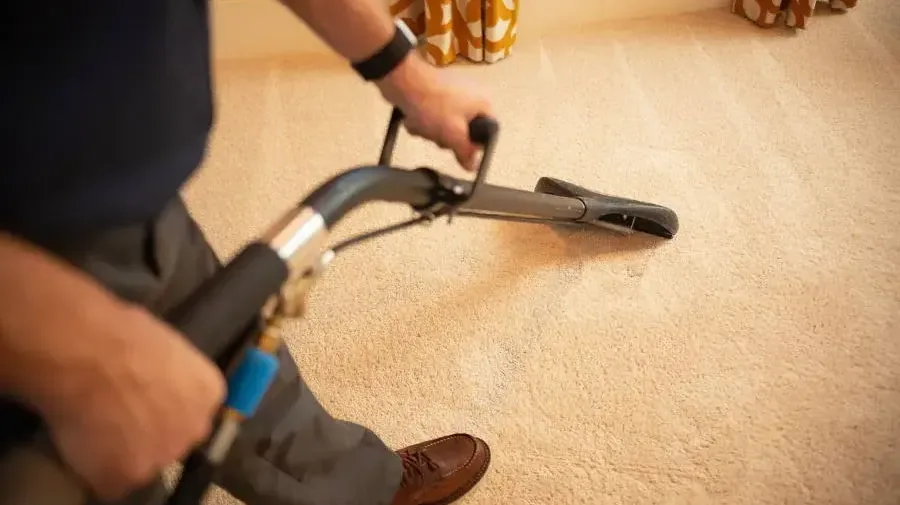
Flash flood cleanup and water extraction follow that order, and water damage help across Hesperia covers the rest.
Skipping a stage causes trouble later. Drying over mud seals contamination into the materials, and removing drywall before the water is out spreads it.
- Pumps and wet vacuums remove standing water
- Shovels and squeegees remove mud and silt
- Carpet, pad and soaked drywall are removed
- Hard surfaces are cleaned and treated
- Air movers and dehumidifiers dry the structure until readings reach a dry reference
Records that support a claim
Flood damage and plumbing damage are often handled under different policies, so the source of the water is the first thing an adjuster asks about. Muddy street water makes the source obvious, and photos prove it.
Records are easiest to collect before cleanup starts.
Photos of sandbag placement and of water against doors help show that the household acted to limit the loss.
- Dated photos of the mud mark and each room
- The crew's moisture readings
- A list of damaged items with approximate values
- Receipts for sandbags, pumps or emergency help
- A note of when the water first entered
Questions
How common are flash floods in Hesperia?
The City says flooding is rare in the High Desert, though flood waters can be swift and powerful. Late summer monsoon thunderstorms are one source of local flash floods.
Where can a household get sandbags?
At the City Hall front lobby, the Public Works Yard front office and Fire Stations 302, 304 and 305, with 25 sandbags per household.
Why is muddy street water treated as Category 3?
It crosses roads and yards before it enters a house and carries contaminants, so porous materials are removed and hard surfaces are cleaned and treated.
Can mud be left to dry before cleanup?
No. Dried silt turns into a hard film that is harder to remove, so it is cleaned while it is still wet.
Where does the City point residents for storm updates?
The City points residents to NOAA and FEMA for storm information.
Do sandbags keep all water out?
No. Sandbags slow and redirect water at doors and low entries, but water can still seep through gaps, so belongings in ground level rooms are lifted as well.