A backup through a toilet, tub or floor drain feels like one problem, but it is really three: clearing the blocked pipe, reporting any overflow to the city and cleaning a contaminated space. In Victorville, the city states which part belongs to the property owner, and that shapes who gets contacted first.
Key takeaways
- The city states that property owners are responsible for private sewer pipes.
- The city advises contacting a plumber for sewer blockages and says regular cleaning helps prevent backups.
- Sewer overflow reports go to the city's Public Works Department, and after hours they route through San Bernardino County Fire Dispatch to Public Works standby staff.
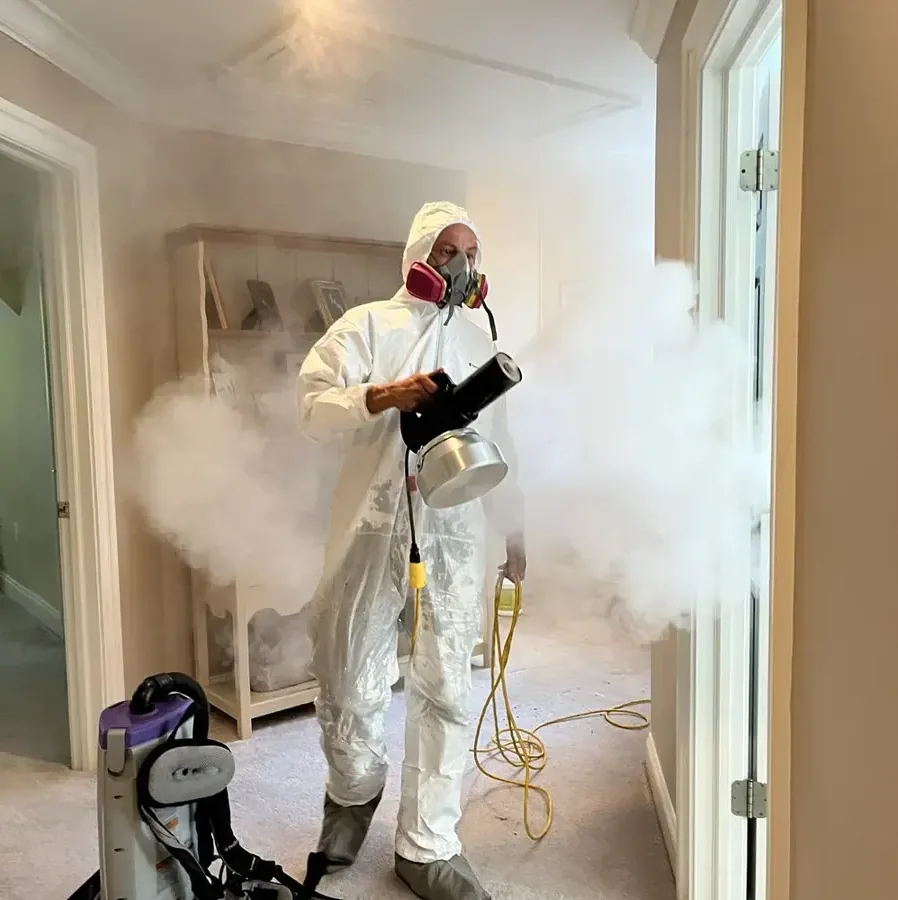
- Sewage that reaches floors is Category 3 water, which means protective gear, removal of porous materials and treatment of hard surfaces.
- Photos taken before cleanup and the plumber's invoice both support an insurance claim.
One backup, three separate jobs
Water coming up through a drain is a sign that something downstream has stopped moving. Each part of the response belongs to a different person, and mixing them up costs time.
Sorting the jobs early keeps a household from waiting on the wrong call.
- Clear the blockage, which is plumbing work
- Report an overflow if it involves the public sewer system
- Clean, remove and dry whatever the sewage touched
The plumber
A plumber finds the blockage, clears the pipe and can inspect it with a camera to see what caused the problem. The invoice documents the date and the cause for the claim.
Public Works
The city takes reports when sewage overflows from the public system, as described below.
The cleanup crew
The crew extracts the water, removes ruined materials, cleans and treats surfaces and dries the space. A look at sewage backup cleanup shows each step in order.
What the city says about the pipe
The private pipe
The City of Victorville states that property owners are responsible for private sewer pipes. For a blockage, the city advises contacting a plumber and says regular cleaning helps prevent backups.
Reporting an overflow
Sewer overflow reports go to the city's Public Works Department. After hours, they route through San Bernardino County Fire Dispatch to Public Works standby staff.
Where the private pipe ends and the public system begins is a question for the city and the plumber, not for the cleanup crew.
Why sewage is Category 3
Water from a drain backup can carry bacteria and viruses, so restoration standards such as IICRC S500 class it as Category 3. The team treats every surface it touched as contaminated until it has been cleaned and treated.
That is also why a backup is not a do it yourself mop job. Porous materials hold contamination that rinsing does not remove.
Children, older adults and anyone with a weak immune system face higher risk, so they stay out of the affected area until cleanup is complete.
- Floors, baseboards and cabinet bases that the water touched
- Door frames and the lower part of walls
- Belongings that sat on the floor
- Air movers and dehumidifiers only after cleaning, so contamination is not spread
Steps while waiting for help
A few quick moves protect people and keep the loss from growing. None of them involve touching the sewage.
- Stop using sinks, tubs, toilets and the washing machine until the pipe is cleared
- Keep children, pets and anyone with health problems out of the affected rooms
- Do not wade through the water, and do not run a household vacuum through it
- Open a window if the weather allows, and keep chemicals separate instead of mixing cleaners
- Photograph the affected rooms and any damaged belongings before cleanup starts
How the cleanup runs
Water goes first. A crew in protective gear pulls the liquid with pumps and wet vacuums set aside for contaminated water, as described under water extraction.
Removal comes next, followed by cleaning, treatment and drying. The full process is outlined for sewage backup cleanup in Victorville.
Contents are sorted too. Belongings that touched the water are split into those that can be cleaned and those that cannot, and anything porous is usually discarded.
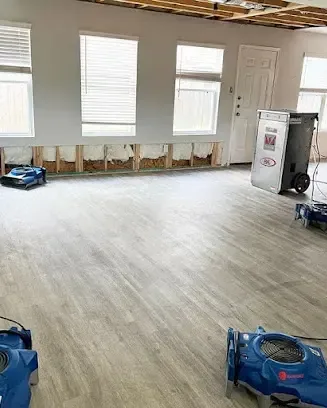
- Carpet, carpet pad and baseboards that touched the sewage are removed
- Drywall that wicked contaminated water upward is cut out above the wet mark
- Hard surfaces are scrubbed and treated with an antimicrobial
- Dehumidifiers and air movers dry the space until readings return to normal
Renters, owners and the paper trail
In the 2020 Census, about 57.5% of occupied homes in Victorville were owner occupied and 42.5% were renter occupied. That means a backup often involves both a tenant and a property owner.
A written note to the owner or property manager, sent right away, starts the record and helps the owner arrange the plumber quickly. Keep the plumber's invoice, the photos and the drying log together.
Spotting the next backup early
The city notes that regular cleaning helps prevent backups, and the warning signs usually show up first as small annoyances. Catching them early saves a contaminated floor.
A plumber can run a camera through a pipe to look for roots, a break or a low spot where waste collects. That inspection can show whether the problem is likely to return.
More about water damage help sits under Victorville.
- Drains that run slowly in more than one fixture
- Gurgling sounds from a tub or floor drain when the toilet flushes
- A sewer smell near a drain or cleanout
- Repeated clogs that return soon after being cleared
Questions
Who is responsible for the sewer pipe on a Victorville property?
The city states that property owners are responsible for private sewer pipes. Questions about where the private pipe ends are best sent to the city and the plumber.
Who receives a sewer overflow report?
Reports go to the city's Public Works Department. After hours, they route through San Bernardino County Fire Dispatch to Public Works standby staff.
Can a homeowner clean up a backup alone?
A very small spill on a hard surface may be cleaned with protective gear, but anything that reached carpet, drywall or more than one room needs a trained crew. Porous materials hold contamination that household cleaners cannot remove.
What happens to carpet after a sewage backup?
Carpet and pad that touched sewage are normally removed and discarded. Hard flooring is cleaned and treated, then dried.
Does homeowners insurance cover a sewage backup?
That depends on the policy, since sewer backup coverage is often written separately. The adjuster can say whether it applies, and photos plus the plumber's invoice support the claim.
How long before the rooms are usable again?
That depends on how far the water spread and how long the materials take to dry. The crew follows moisture readings and a cleaning checklist instead of a fixed date.